Skin pigmentation issues affect millions globally. According to the American Academy of Dermatology, over 80 million Americans have some form of hyperpigmentation. This common condition can include sun spots, melasma, and post-inflammatory hyperpigmentation. These issues often impact individuals’ self-esteem and overall confidence.
Aesthetic lasers have emerged as effective solutions. The technology behind them allows precise targeting of melanin. Research indicates that laser treatments can reduce melanin levels by more than 50% in some cases. Patients experience fewer side effects compared to traditional methods. This raises an important question: how do aesthetic lasers target pigmentation issues?
The effectiveness of these lasers lies in their ability to deliver concentrated energy to pigmented areas. This disrupts the melanin, promoting its breakdown and removal. New advancements in laser technology continue to improve results. Yet, individual responses can vary, calling for a personalized approach. Understanding the mechanics involved is essential for maximizing benefits from treatments.
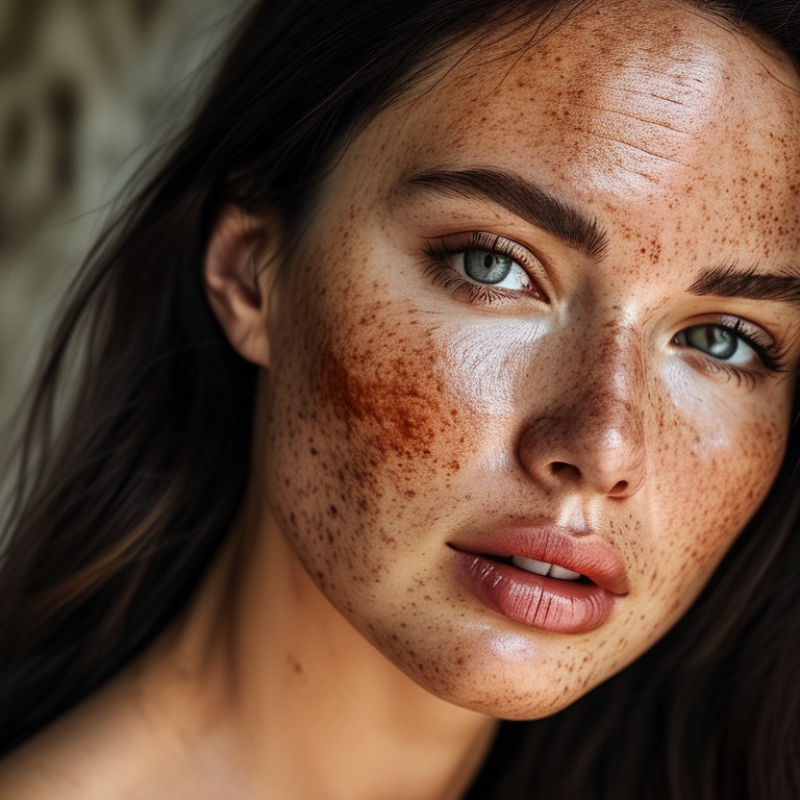
Pigmentation issues can be complex, often manifesting as dark spots, freckles, or uneven skin tone. These conditions arise from various causes, including sun exposure, hormonal changes, and genetics. Melasma, for example, primarily affects women and may appear during pregnancy. Sun spots, on the other hand, develop due to prolonged UV exposure over the years.
Understanding the types of pigmentation issues is crucial for effective treatment. Hyperpigmentation occurs when excess melanin forms in patches. On the contrary, hypopigmentation results in lighter spots due to a lack of melanin. These discrepancies in skin tone can lead to emotional distress and a decrease in self-esteem for many individuals.
**Tips:** Always wear sunscreen, as it protects your skin from UV rays, which can worsen pigmentation. Hydration is key; dry skin can exacerbate pigmentation issues. Regular skin care can help, but remember that results may take time. Patience is vital. Not every treatment works for everyone. Consider consulting a professional to tailor an effective strategy for your unique skin type.
| Type of Pigmentation | Common Causes | Aesthetic Laser Treatment | Effectiveness |
|---|---|---|---|
| Sunspots | UV exposure, aging | Laser Resurfacing | High (70-90%) |
| Melasma | Hormonal changes, pregnancy | Fractional Laser Therapy | Moderate (60-75%) |
| Post-Inflammatory Hyperpigmentation | Skin injury, acne | PicoLaser Treatment | High (80-90%) |
| Freckles | Genetics, sun exposure | Q-Switched Laser | Moderate (70-80%) |
| Age Spots | Aging, sun damage | Intense Pulsed Light (IPL) | High (75-85%) |
: Common types include Q-switched lasers and fractional lasers. They target different skin concerns effectively.
It emits short, powerful pulses that disrupt pigmentation. It’s often used for dark spots and tattoos.
Efficacy rates range from 70% to 90%. Multiple sessions often yield better results.
Typically, patients require 3 to 6 sessions for the best outcomes. Individual responses may vary.
Yes, some patients may experience temporary redness or swelling. These side effects are usually short-lived.
Proper aftercare reduces complications and enhances treatment outcomes. It minimizes side effects and promotes healing.
Patients should avoid sun exposure for at least two weeks. Keeping the skin moisturized is also crucial.
No, results vary by individual. Factors like skin type and age influence treatment effectiveness.
Unrealistic expectations can lead to disappointment. Patients should understand that results take time to appear.
Education about the treatment and realistic expectations are key. Consult qualified professionals for tailored advice.
Aesthetic lasers play a crucial role in addressing various pigmentation issues, which can arise from factors such as sun exposure, hormonal changes, and aging. Understanding how do aesthetic lasers target pigmentation issues is essential, as they work by emitting specific wavelengths of light that penetrate the skin and selectively target melanin within pigment cells. This targeted approach helps to break down excess pigment, leading to a more even skin tone.
Different types of aesthetic lasers are employed in treating pigmentation, each with distinct mechanisms and advantages. Clinical studies demonstrate the efficacy of these lasers, showcasing promising success rates in reducing unwanted pigmentation. However, safety is paramount; thus, proper aftercare is necessary to manage potential risks and ensure optimal results. Through informed treatment choices, individuals can effectively diminish pigmentation issues and enhance their skin’s appearance.

 Derma Laser