In 2026, the aesthetic laser industry is more competitive than ever. Clinics now face a crucial question: how do clinics choose aesthetic laser equipment? According to a recent market study by Research and Markets, the global aesthetic laser market is projected to grow significantly, reaching $5.2 billion by 2027. This growth stems from advancements in technology and increasing consumer demand.
Clinics must evaluate various factors when selecting equipment. Performance metrics, safety features, and versatility are crucial. Data from the American Society for Aesthetic Plastic Surgery indicates that 72% of patients prefer treatments with effective, safe, and quick results. Clinics that ignore patient feedback may fall behind.
Cost remains another primary consideration. High-quality laser systems often come with a hefty price tag. However, choosing cheaper equipment could lead to subpar results and dissatisfied clients. In an industry where reputation is everything, clinics must balance cost with quality. Thus, clinics should stay informed and reconsider their choices, as the stakes are high in this evolving market.
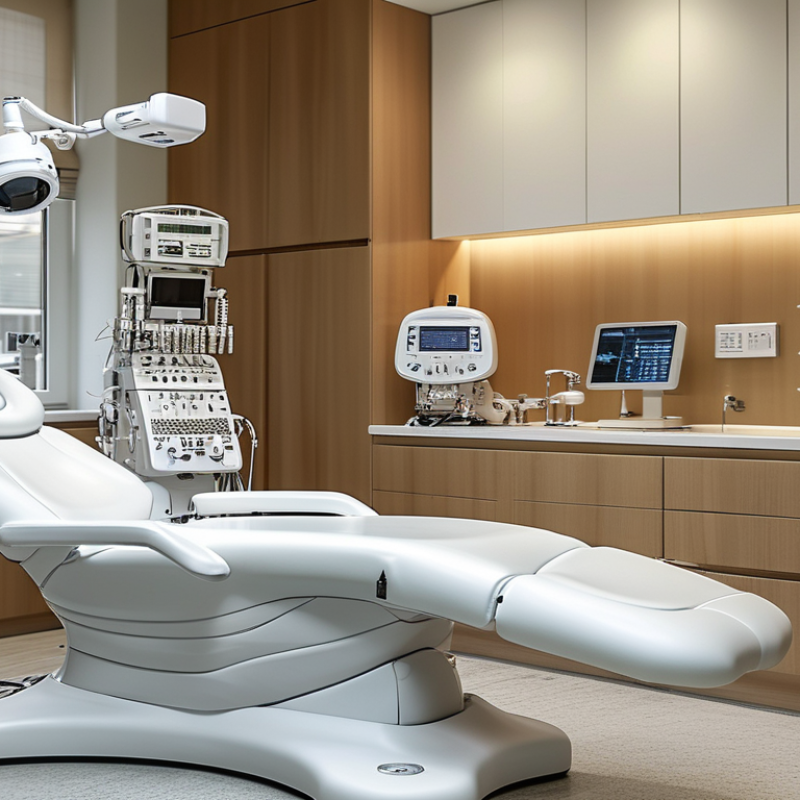
Selection Criteria for Aesthetic Laser Equipment in Clinics
Choosing aesthetic laser equipment for clinics in 2026 involves several critical criteria. The most important factor is safety. Equipment must meet stringent safety standards to protect both patients and practitioners. Clinics should evaluate the manufacturer's reputation and consult with industry experts. A laser’s efficacy in treating specific skin conditions is another key criterion. Clinics need evidence-based results to ensure that their chosen equipment delivers the desired outcomes.
Cost-effectiveness is equally vital. However, choosing the cheapest option can lead to regrets later. Investing in high-quality equipment often proves beneficial in the long run. It’s essential to consider maintenance costs and the longevity of the device. Research shows that reliability impacts the overall patient experience significantly.
Tips: Always test equipment before making a purchase. Arrange demonstrations to evaluate how it performs in real-life scenarios. Don't hesitate to seek feedback from other professionals. Peer reviews can help identify potential issues with the equipment. Balancing innovation with practical experience is crucial in making informed decisions.
Current Trends in Aesthetic Laser Technology for 2026
In 2026, clinics focus on advanced aesthetic laser technology to meet evolving client needs. The market for aesthetic lasers is projected to grow to $5.3 billion by 2026, according to recent industry reports. This growth is driven by increasing demand for non-invasive cosmetic treatments. As procedures become mainstream, clinics must choose the right lasers to stay competitive.
Current trends indicate a shift towards multifunctional laser devices. Clinics prefer equipment that can perform various procedures, from hair removal to skin rejuvenation. This flexibility reduces equipment costs and saves space. Innovative technologies, such as fractional CO2 lasers and picosecond lasers, are gaining popularity for their effectiveness and minimal downtime.
Tips: Look for devices with FDA clearance. Always prioritize safety and efficacy in your selections. Keep an eye on customer feedback; it can provide insights into the device's actual performance.
As aesthetic technology evolves, clinicians must stay informed. Attending industry conferences and reading the latest studies can enhance understanding. Balancing emerging trends and practical application is crucial. Evaluate the true impact of new devices before investing. Clinicians can enhance their offerings while ensuring client satisfaction.
Financial Considerations When Investing in Laser Equipment
Choosing the right aesthetic laser equipment for clinics in 2026 involves careful financial planning. Clinics must assess their budget, potential return on investment, and patient demand. Financial stability is crucial when making high-cost decisions. In this competitive market, overextending financially for the latest technology can lead to regret. Investing wisely ensures the clinic remains sustainable.
Consideration of maintenance costs is equally essential. Equipment may seem affordable at first, but hidden costs can add up. These include repairs, parts replacements, and training staff. Clinics need to factor in these ongoing expenses to avoid unexpected financial strain. An informed decision requires thorough research into both upfront and long-term costs.
Market trends also affect financial viability. Clinics must analyze local demographics and preferences. Aesthetic procedures can shift rapidly, leaving clinics with outdated equipment. This necessitates a balance between investing in new technology and safeguarding financial health. Reflecting on past investment choices can guide future decisions and create a more secure financial landscape.
Investment Considerations for Aesthetic Laser Equipment in 2026
Regulatory Standards and Compliance for Aesthetic Lasers
When considering aesthetic laser equipment in 2026, regulatory standards and compliance are crucial for clinics. Adhering to these guidelines ensures patient safety and equipment effectiveness. The landscape is evolving, and clinics must stay informed about local and national regulations. Compliance impacts not only operational licenses but also patient trust.
Tips: Always keep up with changes in regulations. Attend workshops and seminars focused on laser safety and efficacy. Having a dedicated compliance officer can streamline the process.
Clinics face challenges when interpreting evolving regulations. They often grapple with different standards in diverse regions. This inconsistency can lead to confusion about what constitutes compliant equipment. Investing in training for staff mitigates these issues and enhances overall service quality.
Tips: Create a checklist of essential compliance criteria for new equipment. Regularly review this list to ensure adherence to regulations. Collaborating with legal experts may provide additional insights on complex standards.
Training and Support Needs for Clinic Staff in Laser Operations
In 2026, aesthetic clinics face unique challenges when selecting laser equipment. A key factor is ensuring that staff are well-trained and supported. Many clinics overlook the specific training needs for laser operations. Effective training should cover equipment operation and patient safety protocols. Programs must adapt to various learning styles. Cinematic-style presentations may engage some, while hands-on practice benefits others.
Ongoing support is equally crucial. Clinics should have access to experts who can answer complex questions and provide troubleshooting advice. A solid mentoring system can help staff navigate obstacles. It’s essential to recognize that not all employees will thrive under the same conditions. Regular feedback sessions can identify gaps in knowledge and skills.
Investing in training can be a double-edged sword. While it fosters confidence, it can also reveal unanticipated challenges in staff performance. Some clinics mistakenly assume that initial training suffices. Continuous education is vital to keep pace with technological advancements. Thus, an adaptable training approach enhances both staff morale and patient care quality.
FAQS
: Safety is the most critical factor. Equipment must meet stringent safety standards for patients and practitioners.
Cost-effectiveness matters, but the cheapest option may lead to regrets. High-quality equipment is often a better long-term investment.
Always test equipment before buying. Arrange demonstrations to assess performance in real-life scenarios.
Look for evidence-based results and FDA clearance. Prioritize safety and efficacy when making selections.
Clinics prefer multifunctional laser devices. These can perform various procedures, reducing costs and saving space.
Attend workshops and seminars on laser safety. Keeping up with regulatory changes is essential for compliance.
Clinics often struggle with inconsistent standards in different regions. This can cause confusion about compliance.
Investing in staff training can enhance understanding and service quality regarding laser regulations.
Customer feedback provides insights into a device's actual performance, helping clinics make informed decisions.
Clinicians must evaluate the impact of new technologies while ensuring they meet client needs for satisfaction.
Conclusion
In exploring how do clinics choose aesthetic laser equipment in 2026, several critical factors emerge. Clinics prioritize selection criteria based on treatment versatility, effectiveness, and patient safety. Current trends highlight the emergence of advanced technologies, such as fractional lasers and energy-based devices, tailored to meet diverse patient needs. Financial considerations play a significant role, as clinics must balance initial investment costs with potential return on investment and maintenance expenses.
Regulatory standards and compliance are essential for clinics to ensure the safe use of aesthetic lasers, aligning with industry guidelines. Additionally, training and support for clinic staff are vital to maximize equipment efficacy and ensure patient satisfaction. Overall, how clinics select their aesthetic laser equipment reflects a combination of technological advancements, financial prudence, regulatory adherence, and a commitment to staff training.

 Derma Laser