The demand for aesthetic laser technology is surging in recent years. According to a report by Allied Market Research, the global aesthetic laser market is projected to reach $4.97 billion by 2026, growing at a compound annual growth rate of 12.5%. This growth is driven by increasing interest in non-invasive cosmetic procedures. Consumers are more aware of their aesthetic options, leading to a rise in procedures like laser hair removal and skin resurfacing.
So, what are the latest trends in aesthetic laser technology? Advanced technologies, such as fractional laser and picosecond laser, are transforming treatment efficacy. These innovations reduce downtime and patient discomfort. Incorporating AI and automation further personalizes treatments. Providers can now tailor services to individual skin types and concerns, enhancing outcomes.
However, navigating this evolving landscape poses challenges. Not all clinics adopt new technologies equally. Quality varies widely, and patients must remain vigilant. Continuous training and adherence to safety regulations are vital. Understanding these trends can empower both professionals and clients in this dynamic field.
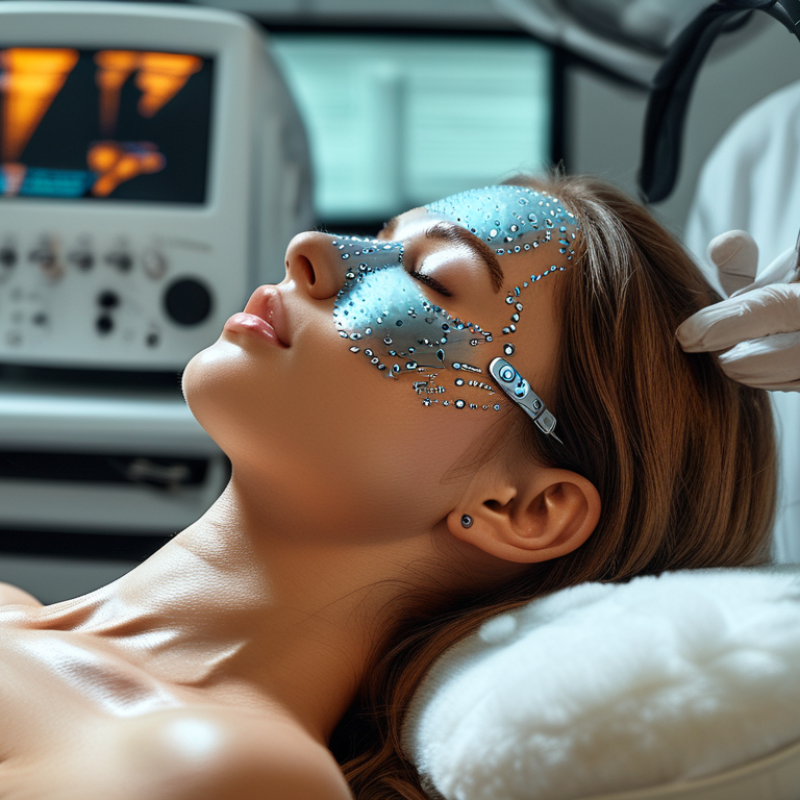
Aesthetic laser technology has evolved significantly. It feels essential to grasp its fundamentals. This technology uses focused light to treat various skin conditions. It can reduce wrinkles, scars, and pigmentation. The devices emit precise wavelengths, making treatments targeted and effective. Understanding how these lasers work allows practitioners to use them safely and effectively.
Tips: Stay informed by subscribing to reputable dermatology journals. These often feature breakthrough studies and technological advancements. Engage in professional forums or webinars to discuss the latest findings with experts in the field. Interacting with a community can broaden your perspective and knowledge.
While the benefits are clear, technology is not without limitations. Different skin types react uniquely to treatments. Therefore, personalizing each approach is critical. Misuse may result in adverse effects. Practitioners need continuous education to refine their skills. Adapting to new techniques can enhance client safety and satisfaction. Keep questioning existing practices to foster growth and improvement.
| Trend | Description | Applications | Advantages |
|---|---|---|---|
| Fractional Laser Technology | Uses laser beams to create small columns of thermal damage. | Skin resurfacing, wrinkle reduction, and scar treatment. | Minimized downtime and improved skin texture. |
| Picosecond Lasers | Delivers energy in picoseconds for faster treatment. | Tattoo removal, pigmentation issues, and skin rejuvenation. | Shorter treatment times and less heat damage to surrounding tissue. |
| Laser Hair Removal | Utilizes laser light to target hair follicles. | Permanent hair reduction on different body areas. | Long-lasting results with minimal discomfort. |
| Non-Ablative Lasers | Treats the skin without removing its layers. | Skin tightening, fine lines, and pigmentation. | Minimal recovery time and lower risk of side effects. |
| Combined Modalities | Integrates different laser technologies for enhanced results. | Comprehensive skin rejuvenation and multiple concerns. | Tailored treatments for individual needs and faster results. |
: Aesthetic laser technology uses focused light to treat skin conditions like wrinkles and scars.
Different skin types react uniquely. Personalizing treatment approaches is critical for effectiveness.
Continuous education helps refine skills. It also ensures safer practices and enhances client satisfaction.
Professionals can subscribe to dermatology journals and participate in professional forums or webinars.
Industry reports, social media from experts, and clinical trials are effective sources for tracking innovations.
Online communities allow professionals to share insights and experiences, enriching their understanding of technologies.
Misinformation can spread quickly. Careful discernment is essential when interpreting shared experiences.
Some technologies may lack clinical validation, highlighting the need for critical evaluation before use.
Webinars can provide enlightening discussions on recent technologies and best practices in aesthetic laser treatments.
About 30% of individuals rely on online forums to inform their choices regarding aesthetic treatments.
The landscape of aesthetic laser technology is continually evolving, making it essential for professionals in the field to stay informed about what are the latest trends in aesthetic laser technology. To gain a comprehensive understanding, one should start with an overview of the technology itself, which highlights its diverse applications and advancements.
Key sources for tracking innovations include industry events and conferences where thought leaders gather to share insights, as well as online communities and forums that facilitate discussions among practitioners. Additionally, research publications and specialized journals offer valuable analyses and updates on the latest discoveries and techniques. By engaging with these resources, professionals can effectively remain at the forefront of aesthetic laser technology advancements.

 Derma Laser