How Does Aesthetic Laser Treatment Work?

Time:2026-10-03 Author:Oliver
0%

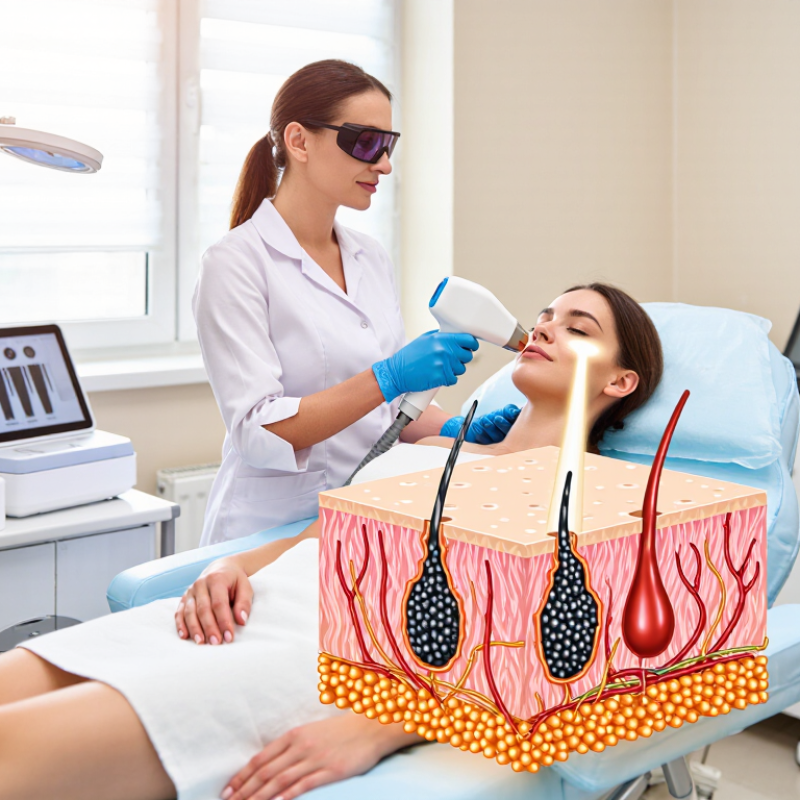
How does aesthetic laser treatment work? The answer begins with selective light absorption. A device delivers controlled energy into a specific skin target, such as melanin, hemoglobin, or water. Heat then breaks down pigment, seals small vessels, removes damaged surface layers, or stimulates collagen remodeling. The wavelength, pulse duration, energy level, and cooling method determine the result.

The process is more technical than a bright flash. A clinician first examines skin tone, texture, medical history, and treatment goals. Darker skin may need longer wavelengths, lower settings, or test spots. Redness, swelling, crusting, and temporary pigment changes can occur. Rarely, burns or lasting discoloration may develop. Results also vary.

The International Society of Aesthetic Plastic Surgery’s 2023 Global Survey recorded millions of nonsurgical procedures worldwide, including energy-based skin treatments. Grand View Research also identifies aesthetic lasers as a growing global medical-aesthetics market. These figures show demand, not guaranteed success. Marketing can make the science look tidier than real skin.

Dermatologist Tina Alster, MD, expresses the clinical principle clearly: “The right laser, for the right patient, at the right time.” That sentence matters. No single laser treats every concern. An experienced, appropriately qualified provider should explain the device, expected sessions, recovery, alternatives, and risks. This guide explores how does aesthetic laser treatment work, from light absorption to collagen repair, while questioning claims that sound too perfect.
How Does Aesthetic Laser Treatment Work?

What Aesthetic Laser Treatment Is and What It Targets

Aesthetic laser treatment uses controlled light to change selected structures in the skin. Its targets include melanin, hemoglobin, and water. Each absorbs specific wavelengths. The absorbed energy becomes heat. This can fade brown spots, reduce visible vessels, or stimulate collagen remodeling. Some lasers remove damaged surface layers. Others create microscopic treatment zones while preserving surrounding skin. That difference affects recovery time.

The American Society for Dermatologic Surgery’s 2023 Consumer Survey reported that 70% of respondents were bothered by visible signs of aging. This helps explain interest in laser procedures. However, “laser treatment” is not one procedure. A pigment laser targets melanin in sun spots. A vascular laser targets hemoglobin in redness. A resurfacing laser targets water within skin cells. A qualified clinician must match the wavelength, pulse duration, and energy level to the target.

Skin tone matters. Higher melanin levels can increase the risk of temporary darkening after treatment. Experienced practitioners may choose gentler settings, cooling, or longer treatment plans. The International Society of Aesthetic Plastic Surgery’s 2023 Global Survey recorded more than one million photo-rejuvenation procedures worldwide, showing broad demand. Popular does not mean risk-free. I have seen marketing make recovery sound effortless, but swelling and uneven results can occur. Results also depend on sun exposure, skincare, and the original condition being treated. Often, several sessions are needed.

How Does Aesthetic Laser Treatment Work?

Aesthetic lasers deliver controlled light energy that is absorbed by specific skin targets called chromophores. This selective absorption produces heat, allowing treatment of pigment, visible blood vessels, or water-rich tissue while limiting exposure to surrounding skin.

The chart shows representative wavelengths commonly used to target major skin chromophores. Melanin absorbs shorter visible and near-infrared wavelengths, hemoglobin absorbs selected yellow-light wavelengths, and water strongly absorbs infrared wavelengths. Actual wavelength selection, pulse duration, energy, and treatment depth vary according to the condition being treated and the individual’s skin characteristics.

How Laser Energy Interacts With Skin Tissue

How Does Aesthetic Laser Treatment Work?

Laser treatment begins when concentrated light reaches the skin at a carefully selected wavelength. Different wavelengths target different molecules, called chromophores. Melanin absorbs some wavelengths, while blood vessels absorb others. Water in skin tissue can also absorb laser energy. This interaction converts light into heat.

The heat may gently warm deeper tissue or remove very thin surface layers. Non-ablative treatments leave the outer skin mostly intact, while ablative treatments vaporize targeted tissue. Fractional devices treat microscopic columns instead of the entire surface. This can stimulate collagen remodeling while leaving untreated skin between the treated areas. The process is precise, but not perfectly predictable.

Not every pulse behaves identically. Skin thickness, pigmentation, hydration, and recent sun exposure can change the response. During treatment, people may feel sharp snaps, warmth, or a rubber-band sensation. Redness and swelling can follow. A qualified medical professional should assess skin type, medication use, healing history, and treatment goals before choosing settings. Eye protection is essential.

In clinical practice, conservative settings are often safer than chasing immediate dramatic results. Too much heat can cause burns, prolonged redness, pigment changes, or scarring. Cooling may protect the surface, but it cannot remove every risk. Some outcomes also require several sessions, and results can vary more than promotional photographs suggest. Skin deserves careful observation after each treatment.

How Treatment Settings Are Selected for Different Skin Concerns

How Does Aesthetic Laser Treatment Work?

How Treatment Settings Are Selected for Different Skin Concerns

Aesthetic laser treatment uses controlled light to heat selected targets in the skin. The target may be pigment, blood vessels, or water within tissue. Settings are chosen according to the concern, skin tone, treatment area, and healing history. A trained clinician assesses these factors before selecting the wavelength and energy level.

For uneven pigmentation, the clinician may use light that targets excess melanin. The energy must remain gentle enough to reduce unnecessary heat around the pigment. Vascular concerns require a different wavelength and pulse pattern.

Fine lines may involve resurfacing, where water absorbs the energy and encourages controlled skin renewal. Pulse duration matters. Short pulses can target small structures, while longer pulses may distribute heat more gradually.

Skin response is never perfectly predictable. That matters. A practitioner may begin conservatively, especially with deeper skin tones or recently tanned skin. A test spot can reveal unexpected redness, swelling, or darkening before treating a larger area. Cooling, eye protection, and careful spacing also influence safety. In clinical practice, photographs and follow-up observations help refine later settings. A neat chart cannot replace judgment. Even experienced professionals may adjust the plan during treatment because skin can react differently from one session to another. Good care includes explaining possible changes, recording the settings used, and allowing enough recovery time.

What Happens During an Aesthetic Laser Procedure

How Does Aesthetic Laser Treatment Work?

During an aesthetic laser procedure, a qualified medical professional first examines your skin and treatment goals. They check your medical history, skin tone, recent sun exposure, and medicines. This step matters because laser settings must suit your skin. The area is cleansed carefully. Protective eyewear shields your eyes from the laser’s light. Some treatments use a cooling device or topical numbing cream. You may feel warmth, tiny snaps, or a mild tingling sensation. It should not feel unbearable.

The practitioner moves the handpiece across the skin in controlled passes. The laser delivers measured energy to pigment, blood vessels, hair follicles, or deeper collagen layers. Each pulse lasts briefly. Redness and warmth may appear immediately afterward. For resurfacing treatments, the skin can feel tight and look sunburned for several days. Recovery depends on the procedure, skin condition, and individual healing. Results are not always predictable. I have seen people expect instant change, but collagen remodeling usually takes time. That expectation deserves honest discussion.

Tips: Arrive with clean skin and avoid tanning before treatment. Follow the clinic’s instructions about retinoids and exfoliating products. Afterward, use gentle skincare and broad-spectrum sunscreen. Do not pick peeling skin. Contact a qualified provider if swelling, blistering, or worsening pain develops. Ask when you can resume exercise, makeup, and active ingredients. Small details can affect healing.

How Skin Heals and Changes After Laser Treatment

How Does Aesthetic Laser Treatment Work?

How Skin Heals and Changes After Laser Treatment

Aesthetic laser treatment delivers controlled light energy into specific layers of the skin. The target may be pigment, visible vessels, hair follicles, or damaged collagen. Some treatments remove tiny surface areas. Others warm deeper tissue without breaking the skin. The body then begins a measured repair process.

Immediately afterward, skin may feel hot, tight, or sunburned. Redness and mild swelling are common. With resurfacing treatments, small crusts or peeling can appear. These changes are not always attractive. Healing often looks worse before it looks better. That part is easy to underestimate.

During the following weeks, new collagen gradually supports smoother texture. Pigment may darken before it flakes away. Results usually develop slowly, not overnight. A licensed dermatologist should choose the treatment after examining skin type, medications, scarring history, and sun exposure. Settings that suit one person may irritate another.

Gentle cleansing helps.

Avoid picking or scrubbing healing skin. Daily broad-spectrum sunscreen is essential, because ultraviolet exposure can prolong redness and trigger uneven pigmentation. A clinic should provide specific aftercare instructions and explain warning signs, such as increasing pain, pus, blistering, or spreading redness. Even with careful treatment, results can be uneven. More sessions may be needed, and improvement is never guaranteed. Expectation management is part of safe care.

How Does Aesthetic Laser Treatment Work? - How Skin Heals and Changes After Laser Treatment

Stage or Dimension Typical Timing What Happens in the Skin Common Visible Changes Important Considerations
Laser Energy Delivery During treatment Laser energy is absorbed by selected skin targets, such as pigment, blood vessels, water in the skin, or hair follicles. The energy is converted into heat or controlled tissue disruption. A sensation of warmth, snapping, tingling, or mild stinging may occur. Redness is common immediately afterward. The effect depends on the laser wavelength, pulse duration, energy level, treatment area, and the condition being treated.
Immediate Inflammatory Response First several hours The body increases blood flow and releases inflammatory signals to begin repair. This is a normal part of wound healing after many laser procedures. Redness, warmth, mild swelling, sensitivity, and temporary tightness may appear. The intensity and duration vary according to treatment depth, skin sensitivity, and individual healing response.
Surface Recovery Approximately 1–7 days With non-ablative treatments, the surface may remain intact while deeper tissue responds. With ablative treatments, damaged outer layers may shed as new epidermal cells develop. Dryness, flaking, bronzing, tiny crusts, or a rough texture may occur, depending on the procedure. Scratching, picking, exfoliating, or removing crusts can increase the risk of irritation, infection, and discoloration.
Collagen Remodeling Several weeks to several months Heat or controlled injury can stimulate fibroblast activity and gradual remodeling of collagen and elastin in the dermis. Skin may gradually appear smoother, firmer, and more even in texture. Fine lines or shallow scars may become less noticeable over time. Results are gradual because collagen remodeling is a biological process. Multiple sessions may be recommended for some concerns.
Pigment and Vascular Changes Days to several weeks Pigment-containing cells or blood vessels may absorb targeted energy and are then cleared or reduced through natural cellular processes. Pigmented spots may temporarily darken before fading. Redness from superficial vessels may decrease gradually. Strict protection from ultraviolet exposure is important because inflammation and sunlight can contribute to post-inflammatory hyperpigmentation.
Hair Reduction Response Several weeks after each session Light energy is absorbed by melanin in the hair and converted to heat, which can damage actively growing follicles. Treated hairs may shed over days or weeks, while other hairs can continue growing until their follicles enter a suitable growth phase. Hair-growth cycles mean that a series of treatments is usually needed. Results vary with hair color, hair thickness, skin tone, and hormonal factors.
Recommended Aftercare Throughout recovery Gentle care supports the skin barrier while it repairs and reduces avoidable irritation. Symptoms generally settle progressively when the treated area is protected and kept comfortable. Follow the clinician’s instructions, use gentle cleansing, apply recommended moisturizers, avoid unnecessary heat and friction, and use broad-spectrum sunscreen after treatment when advised.
Factors Affecting Results Before and after treatment Healing and treatment response are influenced by skin type, treatment settings, the target condition, age, medications, sun exposure, and general health. Two people receiving a similar procedure may experience different downtime and results. A qualified medical professional should assess the skin and choose appropriate settings, especially for darker skin tones or a history of abnormal scarring.
Possible Risks During recovery or later Excessive heat, infection, or delayed healing can disrupt normal recovery. Prolonged redness, blistering, significant swelling, infection, temporary or persistent pigment changes, and rarely scarring may occur. Contact a healthcare professional promptly if pain worsens, redness spreads, pus develops, fever occurs, or healing appears unusually delayed.
Note: Recovery time and results vary by laser type, treatment intensity, skin condition, and individual healing. A professional consultation is recommended before treatment.

FAQS

What does aesthetic laser treatment target?

It targets melanin, hemoglobin, or water in skin tissue. Melanin relates to brown spots. Hemoglobin relates to visible redness. Water supports resurfacing treatments. The target matters.

How does laser energy change the skin?

Selected light wavelengths become heat after absorption. This heat may fade pigment, reduce visible vessels, or stimulate collagen remodeling. Some treatments remove thin surface layers. Others create microscopic treatment zones.

What is the difference between ablative and non-ablative treatment?

Ablative treatment removes targeted surface tissue. Non-ablative treatment leaves most of the outer skin intact. Fractional treatment affects small columns while preserving nearby skin. Recovery can differ greatly.

How are treatment settings selected?

A qualified clinician considers skin tone, the concern, treatment area, and healing history. Wavelength, pulse duration, energy, cooling, and treatment spacing may change. A neat chart cannot replace judgment.

Why does skin tone matter?

Higher melanin levels may increase temporary darkening after treatment. Recently tanned skin may respond unpredictably. Gentler settings, cooling, or a longer plan may reduce unnecessary heat. Results are not guaranteed.

What might treatment feel like?

People may feel sharp snaps, warmth, or a rubber-band sensation. Redness and swelling can follow. Eye protection is essential. Small details matter.

How many sessions are usually needed?

Some concerns improve gradually rather than after one session. Several sessions may be needed for pigment, vessels, or collagen remodeling. Sun exposure and skincare can affect the result. Promotional images may look too simple.

What risks should people consider?

Possible effects include burns, prolonged redness, swelling, pigment changes, uneven results, or scarring. Cooling helps protect the surface but cannot remove every risk. Skin should be observed after each session. Caution is reasonable.

Conclusion

How does aesthetic laser treatment work? It uses carefully controlled light energy to address specific skin concerns, such as uneven pigmentation, visible redness, unwanted hair, acne marks, scars, and signs of aging. Depending on the treatment goal, the laser may target pigment, blood vessels, hair follicles, or water within skin cells. The selected wavelength, energy level, pulse duration, and treatment pattern are adjusted according to the individual’s skin type, concern, and desired outcome.

During the procedure, the skin is cleansed and protected while the laser delivers precise pulses to the treatment area. Some people may feel warmth, tingling, or brief snapping sensations. Afterward, the skin begins a natural healing process. Treated cells may gradually shed or remodel, while collagen production can increase over time. Temporary redness, swelling, sensitivity, or peeling may occur, and visible improvements usually develop progressively as the skin recovers. Consistent aftercare and professional guidance help support safe, balanced results.

Oliver

Oliver

Oliver is a seasoned marketing professional with a wealth of expertise in driving brand awareness and engagement. With a deep understanding of our company's product offerings, he consistently delivers high-quality content that enriches our professional blog. His insights not only shed light on......