What Is Laser Treatment and How Long Do Results Last?

Time:2026-10-18 Author:Liam
0%

Laser treatment uses focused light to address selected skin concerns, including unwanted hair, pigmentation, acne scars, redness, and fine lines. A trained medical professional chooses the wavelength, energy level, and treatment schedule for your skin type and goals. The process may feel like warm snaps, tiny pinpricks, or brief heat across the skin. Some treatments require little downtime, while others cause redness, swelling, peeling, or temporary darkening.

So, how long do laser treatment results last? The honest answer depends on the treatment, your skin, daily habits, and the condition being treated. Hair reduction can last for months or longer, although maintenance sessions may be needed. Pigmentation may return after frequent sun exposure. Resurfacing results can continue improving for several months as collagen develops, but natural aging does not stop. Results are not permanent.

That matters.

A careful consultation should include your medical history, medications, skin tone, previous procedures, and realistic expectations. Ask who performs the treatment, which device is used, and what evidence supports its use. Before-and-after photographs can help, but lighting and camera angles may exaggerate improvement. This is easy to overlook.

Professional aftercare also affects outcomes. Sunscreen, gentle cleansing, and avoiding unnecessary irritation can support healing. However, even excellent care cannot guarantee identical results. Individual responses vary, and some claims online sound more certain than the science allows. This guide explains how laser treatment works, what recovery may involve, and how clinicians estimate the durability of results.
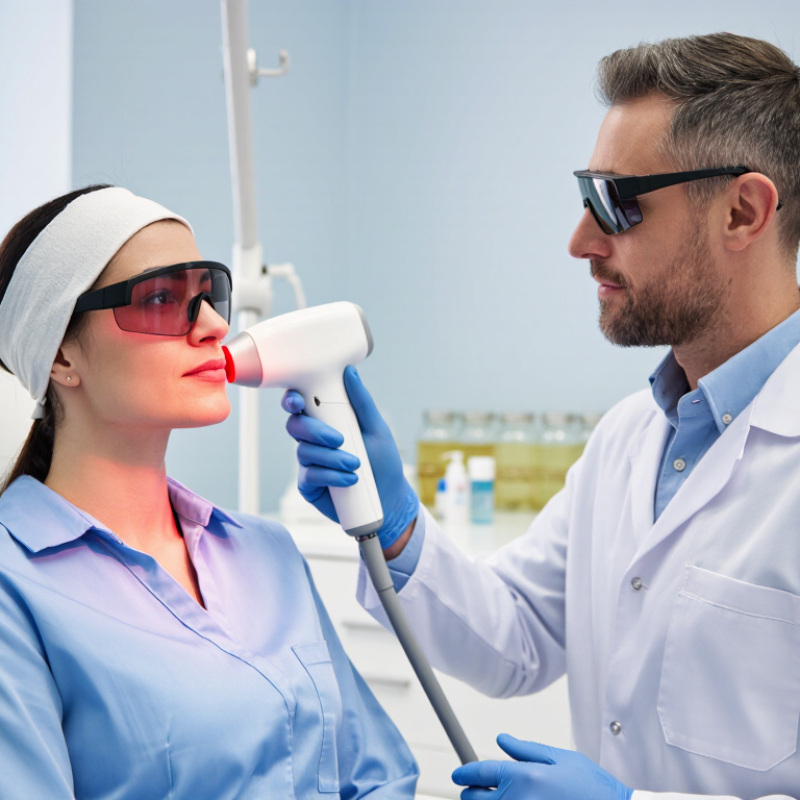
What Is Laser Treatment and How Long Do Results Last?

What Is Laser Treatment and How Does It Work?

Laser treatment uses concentrated light to change selected structures in the skin. The light may target pigment, blood vessels, hair follicles, or water within skin cells. Different wavelengths reach different depths. That choice matters.

During treatment, a device delivers rapid pulses of energy. Pigment absorbs the light and converts it into heat. In other procedures, water absorbs the energy, gently removing damaged surface layers. The body then clears treated pigment or builds new collagen during healing. This process is often called selective photothermolysis.

The experience varies. Some people feel warm snaps, while others notice only mild tingling. Redness, swelling, or temporary darkening can follow. A trained medical professional should assess skin tone, medical history, medications, and sun exposure before treatment. Protective eyewear is essential.

Results are not always immediate. Collagen remodeling may continue for several months, while hair reduction usually requires repeated sessions. Improvements can last months or years, depending on the condition, lifestyle, and treatment depth. Sun exposure can weaken results.

Laser treatment is not a magic eraser. That assumption needs correcting. Even well-planned care can produce uneven results, irritation, or limited improvement. A cautious consultation is more reliable than a dramatic promise. Photographs, realistic goals, and careful aftercare help reveal whether the treatment is truly working.

What Is Laser Treatment and How Long Do Results Last?

Laser treatment uses concentrated light energy that is absorbed by specific targets, such as pigment, blood vessels, or hair follicles. The absorbed energy creates controlled heat, which can reduce the target while limiting damage to surrounding skin.

The chart shows approximate durations commonly reported for visible results after an appropriate treatment course. Ablative resurfacing may last several years, while hair reduction, vascular treatment, and non-ablative rejuvenation commonly require maintenance. Results vary with skin type, treatment settings, sun exposure, hormones, the condition being treated, and the number of sessions.

These are general clinical estimates, not guarantees. Appropriate treatment and follow-up should be determined by a qualified medical professional. Reference guidance: American Academy of Dermatology and DermNet.

Which Conditions Can Laser Treatment Address?

Laser treatment is not one single procedure. It uses focused light to change targeted skin or hair tissue. Different wavelengths address different concerns, and results vary by skin type, condition, and treatment plan.

Clinicians may use lasers for unwanted hair, sun spots, uneven pigmentation, visible blood vessels, acne scars, wrinkles, and certain birthmarks. Some treatments resurface the skin, creating a smoother texture over time. Others heat pigment or blood vessels without removing the surface layer. Hair reduction often needs several sessions because hair grows in cycles. Pigmentation may fade, but sunlight can bring it back. Results can last months or years, yet maintenance is sometimes needed. They are rarely permanent.

Tips: Seek an assessment from a qualified medical professional. Ask which laser suits your condition and skin tone. Share your medication history and previous scarring. Darker skin may face a higher risk of temporary light or dark patches. Follow aftercare instructions carefully, especially daily sun protection. Do not pick peeling skin. Avoid unapproved home devices for medical concerns. Improvement may be gradual. Patience matters. A perfect result is not guaranteed, and that limitation deserves honest discussion before treatment.

What Is Laser Treatment and How Long Do Results Last? - Which Conditions Can Laser Treatment Address?

Condition or Treatment Goal Common Laser Approach What It May Address Typical Treatment Course Usual Recovery How Long Results May Last
Unwanted hair Laser hair reduction using devices selected for the patient’s skin and hair characteristics Reduces the growth of dark, coarse hair on areas such as the face, legs, underarms, and bikini line Usually requires several sessions because hair responds best during its active growth phase; maintenance treatments may be needed Temporary redness, swelling, or mild sensitivity around hair follicles may occur for one to a few days Long-term hair reduction is common, but regrowth can occur and may be finer or lighter; maintenance varies by individual
Acne scars and uneven skin texture Fractional ablative or non-ablative resurfacing Can soften the appearance of selected depressed acne scars and stimulate collagen remodeling Often performed as a series of treatments spaced several weeks apart; improvement develops gradually Non-ablative treatment generally has less downtime; ablative treatment may cause redness, swelling, peeling, and crusting for longer Collagen-related improvement can persist for years, although normal aging and new acne can affect the appearance
Fine lines and sun-related skin changes Fractional resurfacing or other laser skin-resurfacing methods May improve fine lines, rough texture, uneven tone, and some superficial sun damage One or more sessions may be recommended depending on the laser depth and treatment objective Recovery ranges from mild redness and swelling to several weeks of peeling and sensitivity for more intensive resurfacing Results may last for years, but they do not stop aging or prevent future sun damage; daily sun protection is important
Brown spots and freckles Pigment-targeting laser or light-based treatment May lighten selected sun spots, age spots, and some other superficial areas of excess pigment Some spots improve after one session, while others require multiple treatments or a different approach The treated area may darken temporarily, followed by flaking or gradual fading; pigment changes are possible Sun spots may return or new ones may develop without consistent sun protection; certain moles should not be treated cosmetically without medical assessment
Redness, facial vessels, and some vascular marks Vascular laser treatment Can reduce the appearance of selected visible blood vessels, facial redness, and some vascular birthmarks Several sessions are often needed, particularly for larger or deeper vessels Temporary redness, swelling, bruising, or color changes may occur; recovery depends on the treated vessel and laser settings Results can be long-lasting, but new vessels or redness may develop over time, especially when the underlying condition persists
Rosacea-related redness Vascular laser treatment, sometimes combined with medical skin care May reduce persistent redness and visible small vessels in appropriate patients Usually requires a treatment series and periodic maintenance; laser does not cure rosacea Mild swelling, redness, or bruising can occur temporarily Improvement may last months or longer, but flare-ups and new visible vessels are possible
Stretch marks Fractional resurfacing or vascular laser, selected according to the mark’s color and maturity May improve texture and reduce the contrast of some newer or older stretch marks Multiple sessions are commonly required, with results developing over several months Redness, swelling, tenderness, or temporary pigment changes may occur Stretch marks are permanent forms of scarring; treatment may make them less noticeable but generally does not remove them completely
Scars from injury or surgery Fractional resurfacing or vascular laser, depending on whether the scar is raised, red, thick, or textured May soften texture, reduce redness, or improve the flexibility and appearance of selected scars Several sessions are often needed; mature scars may respond differently from newer scars Temporary redness, swelling, peeling, or tenderness may occur Improvement can be long-lasting, but scars usually remain partially visible and may continue to mature over time
Warts and selected benign growths Laser treatment chosen according to the lesion and its depth May be used for some treatment-resistant warts or specific benign lesions after diagnosis One or more sessions may be necessary; recurrence can occur, particularly with viral warts Healing may involve soreness, crusting, or a small wound depending on the technique Results vary by lesion type; recurrence is possible, and suspicious or changing lesions require medical evaluation rather than cosmetic treatment
Treatment response, risks, session numbers, and durability depend on the diagnosis, skin type, laser settings, sun exposure, medications, and aftercare. A qualified medical professional should confirm the condition and determine whether laser treatment is appropriate.

What Happens During a Typical Laser Treatment Session?

A typical laser treatment session begins with a consultation, not the laser itself.

A qualified clinician examines your skin, treatment goals, medical history, and recent sun exposure. They may take photographs and explain possible benefits, limits, and side effects. This step matters because the same laser settings do not suit every skin type.

Before treatment, the area is cleaned and any makeup or skincare residue is removed. You usually wear protective eyewear. The clinician may apply cooling gel or use a cooling device. The laser then delivers short pulses of light to selected areas. You might feel warmth, tiny snaps, or a mild rubber-band sensation. Some areas feel more sensitive than others. The session may last from a few minutes to over an hour, depending on the treatment area.

Afterward, the skin can look pink, swollen, or slightly darker in small spots. These effects often settle gradually, but healing times vary. A clinician may recommend gentle cleansing, moisturising, and strict sun protection. Avoid picking or rubbing treated skin. Results are rarely instant, and improvement may appear uneven at first. That can feel disappointing. It also shows why follow-up assessments matter. Some treatments need several sessions, while results may fade as the skin changes naturally or hair regrows. A careful provider should adjust future settings based on your response, not follow a fixed routine.

How Long Do Laser Treatment Results Usually Last?

What Is Laser Treatment and How Long Do Results Last?

Laser treatment uses concentrated light to target pigment, hair follicles, blood vessels, or damaged skin. How long results last depends on the treatment goal, skin type, sun exposure, hormones, and aftercare. The American Academy of Dermatology notes that hair-reduction treatments usually require multiple sessions, often spaced several weeks apart. Clinical evidence commonly reports three to six sessions, followed by occasional maintenance visits.

Hair reduction can remain noticeable for months or years, but it is rarely absolute. The U.S. Food and Drug Administration defines “permanent hair reduction” as a stable decrease in regrowth, not complete removal. Resurfacing results may last one to five years, while pigment and vascular improvements can fade sooner. A 2023 review in Lasers in Medical Science also emphasizes variation between patients and treatment settings. Real life is messier. Even strong studies cannot predict every response.

Tips:

Choose a licensed medical professional with laser experience. Ask which evidence supports the expected duration. Photograph your skin before each session, using similar lighting. Protect treated areas from sunlight, because ultraviolet exposure can worsen pigmentation. Follow the aftercare plan carefully. Avoid judging results too early; collagen remodeling may continue for several months. Maintenance is not failure. It can reflect normal skin aging, hormonal changes, or repeated sun exposure. A treatment plan should be reviewed when results weaken, rather than repeated automatically.

What Factors Affect Treatment Outcomes and Longevity?

Laser treatment uses concentrated light to heat selected targets in the skin. These targets may include pigment, unwanted hair, visible blood vessels, or damaged surface layers. Results vary because every skin type responds differently.

Treatment outcomes depend on the laser’s wavelength, energy level, treatment area, and the condition being addressed. Practitioner experience also matters. Correct settings can improve results and reduce avoidable irritation. Skin tone, age, hormones, medication, and healing ability may affect progress. Sun exposure is especially important. Frequent exposure can darken treated areas or shorten the visible benefit. Aftercare, including gentle cleansing and daily sun protection, supports recovery.

Results are rarely permanent. Hair may regrow, pigment may return, and collagen changes develop gradually. Some people need several sessions or occasional maintenance. Not every result lasts as long as hoped. That uncertainty deserves honest discussion during consultation. A qualified medical professional should review your health history, explain realistic outcomes, and identify possible risks.

Tips: Follow aftercare instructions carefully. Avoid unnecessary sun exposure. Do not pick peeling skin. Take clear photographs under similar lighting. They provide a more reliable comparison than memory. Ask when improvement should appear, and report unusual swelling, blistering, or lasting color changes promptly.

FAQS

What is laser treatment?

Laser treatment uses concentrated light to target selected structures in the skin. Different wavelengths reach different depths. That choice matters. The light may affect pigment, blood vessels, hair follicles, or surface water.

How does laser treatment work?

The device delivers rapid energy pulses. Pigment absorbs light and changes it into heat. Water can absorb energy and remove damaged surface layers. The body then clears pigment or builds new collagen during healing.

Which skin concerns can laser treatment address?

It may help unwanted hair, sun spots, uneven pigmentation, and visible blood vessels. It can also improve acne scars, wrinkles, and some birthmarks. Surface treatments may create smoother texture. Results differ.

What does laser treatment feel like?

Some people feel warm snaps. Others notice mild tingling. Redness, swelling, or temporary darkening may follow. Protective eyewear is essential during treatment.

How many sessions might be needed?

Hair reduction usually requires repeated sessions because hair grows in cycles. Collagen improvement may continue for several months. Pigmentation may need more than one treatment. The exact number depends on your condition and response.

What affects the treatment result?

Skin tone, treatment settings, age, hormones, medication, and healing ability can affect progress. Practitioner experience also matters. Frequent sun exposure may weaken results or darken treated areas. Aftercare is not optional.

Are laser treatment results permanent?

Usually, no. Hair may regrow, and pigmentation may return. Collagen changes develop gradually and may last months or years. Maintenance can be necessary. Perfect results are not guaranteed.

How should someone prepare and recover?

A qualified medical professional should review your health history, medications, scarring, and sun exposure. Follow cleansing and sun-protection instructions carefully. Do not pick peeling skin. Report blistering, unusual swelling, or lasting color changes promptly. Take clear photographs. Memory can mislead.

Conclusion

Laser treatment uses concentrated light energy to target specific areas of the skin or body. Depending on the type and purpose, it may stimulate collagen, remove unwanted pigment, reduce hair, improve the appearance of scars, or address certain vascular and texture concerns. During a typical session, a trained professional cleanses the treatment area, protects the eyes, and applies controlled laser pulses. Patients may feel warmth, tingling, or brief snapping sensations, while mild redness or swelling can occur afterward.

A common question is, “how long do laser treatment results last?” The answer depends on the treatment goal, the individual’s skin type, the condition being treated, the laser settings, and the number of sessions completed. Some improvements may be long-lasting, while others require maintenance treatments as the skin naturally ages or hair and pigmentation gradually return. Following aftercare instructions, protecting the skin from sunlight, maintaining healthy habits, and attending recommended follow-up appointments can help support safer, more consistent, and longer-lasting results.

Liam

Liam

Liam is a dedicated marketing professional with a profound expertise in the industry, where he excels at highlighting the unique advantages of our core products. With a keen understanding of market trends and consumer needs, Liam frequently updates our company’s professional blog, providing......