Top 10 Benefits of Laser Treatments for Acne Scars?

Time:2026-07-15 Author:Oliver
0%

Acne scars can have a lasting impact on one's self-esteem. Many seek effective treatments to improve their skin's appearance. Among these options, laser treatments stand out. They promise to reduce the visibility of scars and rejuvenate the skin.

Can laser treatments help with acne scars? The answer is yes. These treatments work by targeting the skin's deeper layers, promoting healing and regeneration. Different types of lasers, such as fractional and ablative lasers, are designed to treat various scar types.

However, results can vary. Some individuals may achieve significant improvement, while others might notice only slight changes. Understanding realistic outcomes is crucial when considering these treatments. Consulting with a qualified dermatologist can provide valuable insights tailored to individual needs. This exploration of the benefits of laser treatments offers a closer look at how technology can enhance skin health.
Top 10 Benefits of Laser Treatments for Acne Scars?

Understanding Acne Scars and Their Impact on Skin Health

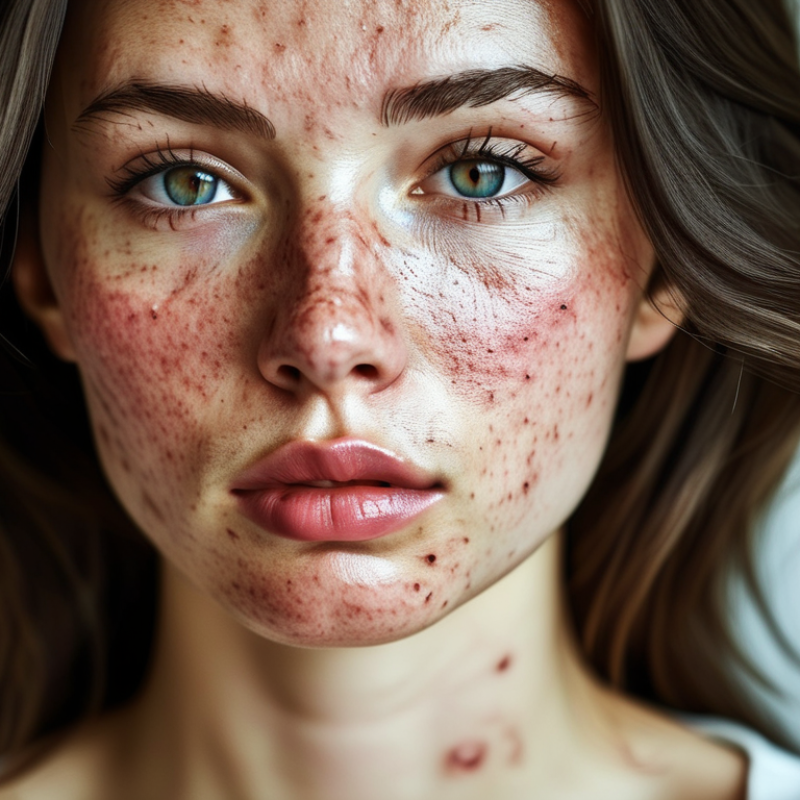
Acne scars significantly affect skin health, leading to emotional and psychological challenges. A study published in the Journal of Investigative Dermatology highlighted that approximately 50% of acne sufferers experience long-lasting scars. These scars can vary in appearance, ranging from pitted scars to dark spots. They often create a feeling of self-consciousness among individuals, impacting their overall quality of life.

The skin's healing process plays a crucial role here. When acne forms, the skin tries to repair itself, but this can result in uneven texture and pigmentation. According to the American Academy of Dermatology, about 80% of individuals will encounter acne at some point, which can leave scars behind. The psychological ramifications are significant, with research showing that those with visible skin issues often report feelings of depression and anxiety. Addressing these concerns through professional treatments becomes essential not just for skin health, but for emotional well-being as well.

Overview of Different Laser Treatment Types for Acne Scars

Laser treatments have become a popular option for individuals seeking to minimize the appearance of acne scars. Several types of lasers are used, each with its unique approach. One common option is fractional laser therapy. This method utilizes laser beams to create tiny wounds in the skin, promoting natural healing and collagen production. Many patients experience improvements in skin texture and overall appearance after a series of sessions.

Another effective treatment is ablative laser therapy. This technique removes the outer layer of skin, allowing new skin to form. It is often used for deeper scars. The downtime is longer, but results can be more dramatic. Non-ablative lasers are also worth mentioning. They work beneath the skin's surface without damaging the top layer. This results in less recovery time but requires more sessions to achieve noticeable outcomes.

However, not every method suits every patient. The effectiveness depends on skin type and scar severity. Some individuals may notice changes, while others might not perceive significant improvements. Consultation with a qualified dermatologist remains essential to explore the best options tailored to personal needs. Understanding the nuances of each treatment type can lead to more informed decision-making.

Top 10 Benefits of Laser Treatments for Acne Scars

Benefit Laser Treatment Type Description Recovery Time
Improved Skin Texture CO2 Laser Targets deeper layers of skin for significant improvement. 2-3 weeks
Reduction of Redness Pulsed Dye Laser Helps diminish red scarring by targeting blood vessels. 1 week
Minimized Appearance of Scars Fractional Laser Creates micro-injuries to stimulate collagen production. 1-2 weeks
Long-Lasting Results Erbium Laser Provides less thermal damage with effective rejuvenation. 1 week
Enhances Skin Tone Laser Genesis Improves skin tone and texture without downtime. No downtime
Quick Treatments Intense Pulsed Light (IPL) Fast sessions that can fit into a busy schedule. No downtime
Minimal Discomfort Non-ablative Laser Gentler procedure with less pain and quicker recovery. 1-3 days
Customizable Treatments Combination Therapy Combines different lasers for personalized results. Varies
Boosts Confidence All Laser Treatments Improved skin appearance leads to enhanced self-esteem. Varies

Benefits of Laser Treatments: How They Promote Skin Healing

Laser treatments for acne scars serve as a beacon of hope for those struggling with skin imperfections. These procedures utilize advanced technology to improve skin texture. By targeting the deeper layers of the skin, lasers stimulate collagen production. Increased collagen aids in the natural healing of scars. This process often leads to smoother and more even skin tone, enhancing overall appearance.

However, results can vary from person to person. Some individuals may experience redness or swelling post-treatment. These effects are usually temporary but require careful consideration. It’s essential to consult a qualified dermatologist who can assess skin conditions accurately. Their expertise can guide you through the potential risks and expected outcomes.

Moreover, the healing process is not instantaneous. Some scars may take multiple sessions to show significant improvement. Patience is key. Emotional well-being can be affected during this time. It's crucial to maintain realistic expectations while undergoing treatments. Embracing imperfections as part of the healing journey can lead to a more positive outlook on one's skin and self-image.

Comparative Effectiveness: Laser Treatments Versus Other Methods

Laser treatments for acne scars show significant effectiveness compared to other methods. They use focused light to target skin imperfections and promote healing. The precision of lasers allows for minimal damage to surrounding tissue. This leads to quicker recovery and less discomfort. Many patients notice improvement after just a few sessions.

Other treatments include chemical peels and microdermabrasion. These methods can be effective but often require multiple sessions. Results may vary more significantly, and downtime can be longer. Patients might experience redness or peeling for several days. In contrast, laser treatments typically reduce recovery time.

However, some individuals may not respond equally well to lasers. Darker skin types may face a risk of hyperpigmentation. Consultation with a qualified dermatologist is crucial. Understanding potential outcomes and risks can help set realistic expectations. Each treatment option has its own advantages and limitations, making personalized care essential.

Potential Risks and Considerations When Using Laser Therapy for Scars

Laser therapy presents a promising option for treating acne scars, but potential risks must be acknowledged. While the efficacy of laser treatments ranges from 50% to 80% improvement in scar appearance, side effects can also arise. Common risks include redness, swelling, and temporary changes in skin pigmentation. According to the American Academy of Dermatology, these effects may vary based on skin type and the extent of treatment.

Some patients experience post-inflammatory hyperpigmentation, especially those with darker skin tones. This condition can deter individuals from proceeding with laser therapy. In a study published in the Journal of Dermatological Treatment, researchers found that approximately 30% of patients reported some form of skin discoloration after treatment. This underscores the importance of thorough consultations and realistic expectations.

Long-term effects also deserve consideration. While laser treatments can be effective, they are not a one-size-fits-all solution. Some patients may require multiple sessions, leading to higher costs and risk of complications. Some people may not see significant improvement, leading to emotional distress. Professionals must assess individual needs and potential outcomes carefully to ensure informed choices. Reflections on personal experiences are vital, as they relate to treatment choices and overall satisfaction.

FAQS

: What are acne scars and how do they affect individuals?

: Acne scars can lead to emotional challenges. About 50% of acne sufferers face long-lasting scars, impacting self-esteem.

How does the skin heal after acne?

The skin repairs itself post-acne, but can result in uneven texture. This may also lead to pigmentation issues.

What types of laser treatments are available for acne scars?

Popular options include fractional laser therapy and ablative laser therapy. Each type targets scars differently.

What is fractional laser therapy?

It uses laser beams to create tiny wounds that promote healing. Many notice improvement after multiple sessions.

How does ablative laser therapy work?

This method removes the outer skin layer. New skin forms, often yielding more dramatic results, but with longer downtime.

Are there risks involved with laser therapy?

Yes, potential risks include redness, swelling, and changes in skin pigmentation. Some may experience post-inflammatory hyperpigmentation.

Can all patients expect similar results from laser treatments?

No, results vary based on skin type and scar severity. Some might see improvements, while others might not.

How many sessions are typically needed for noticeability?

Non-ablative lasers usually need more sessions for visible results. Individual experiences differ widely.

Why is consultation with a dermatologist important?

Professional assessment is crucial for exploring personalized treatment options. It helps set realistic expectations.

What should individuals reflect on before choosing treatments?

Consider personal experiences and potential emotional impact of treatments. It aids in making informed decisions.

Conclusion

Laser treatments have emerged as a promising solution for managing acne scars, addressing not only the physical appearance of scars but also their psychological impact on individuals. Understanding the nature of acne scars and their effects on skin health is crucial, as different types of laser treatments offer various benefits in promoting skin healing. These treatments can effectively resurface the skin, enhance collagen production, and improve overall texture, making them a viable option for those struggling with the lasting effects of acne.

In comparing laser treatments to other methods, they often demonstrate superior effectiveness in reducing scar visibility. However, potential risks and considerations must be taken into account, including skin sensitivity and the necessity for multiple sessions. Overall, the question persists: can laser treatments help with acne scars? The evidence suggests that for many individuals, laser therapy can significantly improve skin appearance and boost confidence, making it a worthwhile consideration in acne scar management.

Oliver

Oliver

Oliver is a seasoned marketing professional with a wealth of expertise in driving brand awareness and engagement. With a deep understanding of our company's product offerings, he consistently delivers high-quality content that enriches our professional blog. His insights not only shed light on......