10 Tips What Are Aesthetic Laser Devices Used For?

Time:2026-09-13 Author:Amelia
0%

Aesthetic laser devices have moved from specialist clinics into mainstream skincare conversations. They can address visible concerns such as unwanted hair, uneven pigmentation, acne scars, redness, and fine lines. However, results depend on the device, treatment settings, skin condition, and provider experience. One laser cannot solve every concern.

So, what are the most common applications of aesthetic laser devices? This guide examines ten practical uses, including hair reduction, tattoo fading, vascular treatment, skin resurfacing, and tone improvement. Each application works differently. Some treatments heat targeted pigment, while others stimulate controlled skin renewal. The treatment room may look simple, but careful assessment happens before the device touches the skin.

Qualified practitioners should review medical history, recent sun exposure, medications, and skin sensitivity. They should also explain realistic outcomes, possible side effects, and aftercare. Protective eyewear matters. So does patch testing in appropriate cases. Darker or recently tanned skin may need modified settings and extra caution.

The evidence is encouraging, but it is not perfect. Some results require several sessions, and individual responses vary. A smooth brochure image cannot replace a clinical consultation. This overview uses established aesthetic principles while recognizing the limits of general advice. It may also challenge a common assumption: newer technology does not automatically mean better treatment. Safe, informed decisions remain more important than impressive specifications.
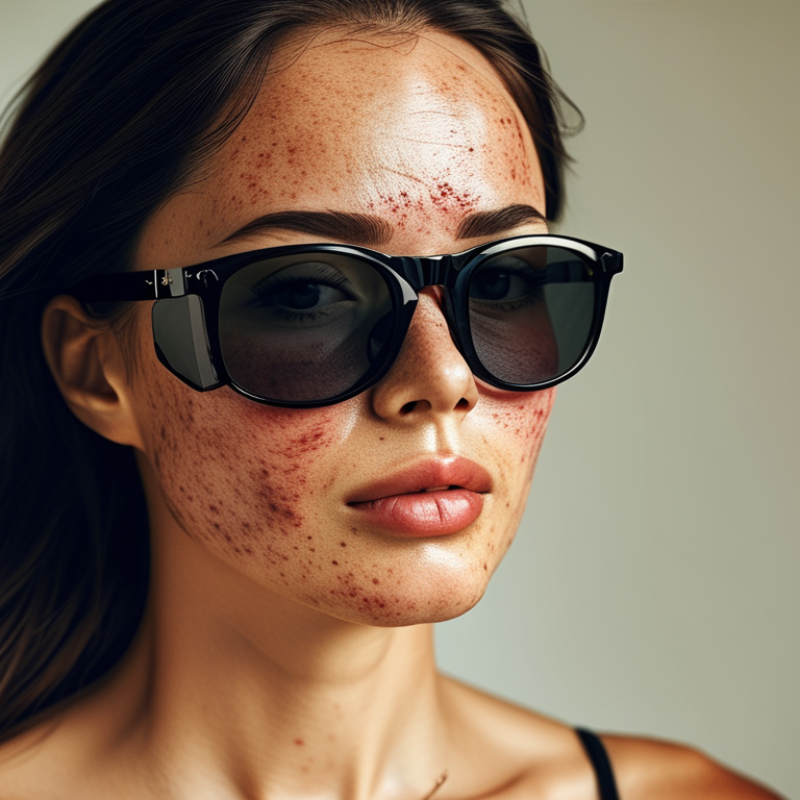
10 Tips What Are Aesthetic Laser Devices Used For?

Define Aesthetic Laser Devices Through FDA-Cleared Uses and Safety Classes

What Are Aesthetic Laser Devices Used For?

Define Aesthetic Laser Devices Through FDA-Cleared Uses and Safety Classes

Aesthetic laser devices deliver focused light to selected skin targets. Their uses may include hair reduction, wrinkle improvement, vascular lesion treatment, acne-scar revision, and pigment correction. Some devices also address unwanted tattoos or uneven skin texture. However, “FDA-cleared” does not mean every use is permitted. It refers to specific indications supported through a regulatory review pathway. The exact wavelength, handpiece, settings, and treatment area matter.

Read the label carefully.

Safety classes describe laser hazards, not treatment quality. Common classifications range from Class I to Class IV. Many clinical aesthetic lasers fall into Class IIIb or Class IV categories. These devices can injure eyes or skin through direct or reflected beams. Class IV systems may also create fire risks near flammable materials. Proper protective eyewear must match the wavelength. Room controls, warning signs, controlled access, and trained supervision are essential.

A qualified provider should review skin type, medications, healing history, and recent sun exposure. A small test area can reveal unexpected irritation, although it cannot predict every reaction. Treatment records should include settings and observed responses. Marketing language often sounds broader than the clearance statement. That is where careful reading matters. The label is not the whole clinical judgment. Even a legally marketed device can be unsuitable for one person, one area, or one moment.

Match Wavelengths to Targets: 755, 810, and 1064 nm in Clinical Practice

10 Tips: What Are Aesthetic Laser Devices Used For?

Match Wavelengths to Targets: 755, 810, and 1064 nm in Clinical Practice

Aesthetic laser devices can address unwanted hair, vascular concerns, selected pigmentation, and skin texture. Wavelength choice matters because tissue absorbs different light colors. The target must guide the setting. Skin tone, hair thickness, treatment area, and cooling also affect risk.

A 755 nm wavelength is strongly absorbed by melanin. It can suit lighter skin and dark, coarse hair when assessment is careful. It may also treat some superficial pigmented lesions under qualified supervision. The 810 nm wavelength reaches hair follicles effectively at moderate depth. Many clinicians use it for hair reduction across varied body areas. It still requires conservative testing on darker or recently tanned skin.

The 1064 nm wavelength penetrates deeper and interacts less with epidermal melanin. This can make it useful for hair reduction in darker skin types, with appropriate parameters. It is also used for selected deeper vascular targets. The wavelength alone does not guarantee safety. Pulse duration, fluence, spot size, cooling, and operator training remain essential. I have seen treatment plans become too generic. That is a mistake. A small test area can reveal unexpected heat, redness, or delayed pigment changes. Patient history matters too, including medications, recent sun exposure, and previous reactions. Documented settings and follow-up photographs improve clinical judgment, although they do not replace careful examination.

What Are Aesthetic Laser Devices Used For?

Wavelength selection is matched to the target chromophore, tissue depth, and patient skin type. In clinical practice, 755 nm is commonly selected for melanin-rich targets and hair, 810 nm primarily for hair follicles, and 1064 nm for deeper vascular targets and hair reduction.

Chart key: 1 indicates a commonly selected clinical target category; 0 indicates that the wavelength is not usually the primary choice for that category. Actual treatment decisions depend on skin type, lesion depth, fluence, pulse duration, spot size, and cooling.

Compare Applications: Hair Removal, Resurfacing, Pigment, and Vascular Care

10 Tips: What Are Aesthetic Laser Devices Used For?

Aesthetic lasers target different skin concerns, not one universal problem. Hair-removal systems heat melanin in the follicle, reducing growth over several sessions. Results vary with hair color, skin tone, hormones, and treatment timing. Resurfacing lasers remove or heat controlled skin layers, softening acne scars, fine lines, and uneven texture. Skin may look sunburned afterward. It is not always comfortable.

Pigment-focused devices treat selected brown spots, freckles, or sun damage by breaking pigment into smaller particles. Careful diagnosis matters because some dark lesions need medical assessment first. Vascular lasers target visible vessels, facial redness, and certain leg veins. Pulse settings, vessel depth, and skin type influence outcomes. The ISAPS Global Survey 2023 recorded more than 19 million nonsurgical procedures worldwide, showing demand, not guaranteed suitability.

Tip 1: Ask what chromophore the device targets.

Tip 2: Request before-and-after images for similar skin.

Tip 3: Confirm who performs the treatment and their training.

Tip 4: Discuss tanning, medications, scarring, and downtime.

Tip 5: Use strict sun protection after treatment.

Tip 6: Expect a treatment plan, not instant perfection.

Tip 7: Question vague promises.

Tip 8: Patch testing can reduce surprises.

Tip 9: Document settings and skin reactions.

Tip 10: Reassess if healing seems unusual. Some advice sounds simple, yet real skin is unpredictable. A cautious consultation remains more useful than a fashionable device name.

Set Treatment Expectations: AAD Data Supports Multiple Hair-Reduction Sessions

10 Tips: What Are Aesthetic Laser Devices Used For?

Aesthetic laser devices can target unwanted hair, pigment, redness, visible vessels, scars, and skin texture. This article focuses on laser hair reduction, where realistic expectations matter. The American Academy of Dermatology notes that many patients need six or more treatments for noticeable reduction. Hair grows in cycles, so one session cannot treat every follicle effectively. Some follicles are active, while others remain dormant.

Treatment timing depends on the body area, hair growth, skin tone, and device settings. Sessions are often spaced several weeks apart, but a qualified medical professional should create the schedule. Darker, coarser hair may respond more clearly than fine, pale hair. Hormonal changes can also stimulate new growth later. It is reduction, not a guaranteed removal promise.

A practical plan includes a consultation, medical history review, and a discussion of possible side effects. Temporary redness, warmth, or swelling can occur around treated follicles. Protecting the area from strong sun exposure is important before and after treatment. Shaving may be recommended, while waxing or plucking can interfere with targeting the follicle. A common mistake is judging results after one appointment. Progress can look uneven. Photographs taken under similar lighting may show changes more accurately than memory. Even with careful treatment, maintenance sessions might be needed.

Assess Risks and Candidates Using Fitzpatrick Skin Types and FDA Guidance

What Are Aesthetic Laser Devices Used For?

Aesthetic lasers can address hair reduction, vascular redness, pigmentation, acne scars, and skin texture. The American Society for Aesthetic Plastic Surgery reported continued growth in energy-based, nonsurgical treatments in its recent procedural data. However, popularity does not equal suitability. Each treatment needs a clinical assessment.

Fitzpatrick Skin Types I–VI estimate how skin responds to ultraviolet exposure. They can guide settings and predict post-inflammatory hyperpigmentation risk, especially in Types IV–VI. They are not a complete safety test. A careful provider should examine recent tanning, medications, active infections, previous scarring, and pigment disorders. Patch testing may help, although it cannot guarantee a safe result. Skin type is helpful, but incomplete.

FDA guidance also matters. A device may be FDA-cleared for a specific use, while “FDA-approved” can describe a different regulatory pathway. Patients should ask what indication the device was cleared for and whether the proposed treatment matches it. Eye protection and trained supervision are essential. The FDA’s medical-device reporting system shows that burns, pigment changes, and scarring can occur with aesthetic devices. These events are not routine, but they deserve attention. I would never treat a Fitzpatrick score as a verdict. Good judgment still requires experience, documentation, and honest discussion of uncertain outcomes.

10 Tips What Are Aesthetic Laser Devices Used For? - Assess Risks and Candidates Using Fitzpatrick Skin Types and FDA Guidance

Tip Device or Technology Common Aesthetic Uses Fitzpatrick Skin-Type Considerations Important Risks and Side Effects Candidate Assessment FDA-Regulatory Check
1 Hair-removal laser Long-term reduction of unwanted hair by targeting melanin in the hair follicle. Best contrast is usually dark hair with lighter skin. Types IV–VI can be treated with appropriate wavelengths, cooling, conservative settings, and test spots. Blonde, gray, and white hair respond poorly because they contain little melanin. Temporary redness, swelling, discomfort, blistering, burns, pigment darkening or lightening, and rarely scarring or paradoxical hair growth. Avoid treatment over recently tanned skin. Review a history of keloids, pigment disorders, active infection, photosensitizing medicines, and hormonal conditions that may affect hair growth. Confirm that the exact device is FDA-cleared or otherwise legally marketed for hair removal or permanent hair reduction, and follow its labeling.
2 Vascular laser Reduction of selected facial telangiectasia, spider veins, rosacea-related redness, and some vascular birthmarks. Higher Fitzpatrick types have greater risk of epidermal pigment absorption, burns, and post-inflammatory hyperpigmentation. Wavelength, pulse duration, cooling, and test spots are important. Redness, swelling, purpura, blistering, pigment changes, scarring, incomplete response, or recurrence of the vascular condition. The lesion should be diagnosed before treatment. Unusual, changing, bleeding, or painful lesions require medical evaluation rather than cosmetic treatment. Check the device indication and anatomical site in the official FDA clearance or authorization documents; clearance is not a guarantee of results for every vascular condition.
3 Pigment-targeting laser Treatment of selected benign freckles, solar lentigines, and other diagnosed pigmented lesions. Types IV–VI are more prone to post-inflammatory hyperpigmentation or hypopigmentation. Conservative fluence, sun protection, and careful diagnosis are essential. Temporary darkening, crusting, blistering, infection, scarring, persistent pigment alteration, or worsening melasma. Do not laser an undiagnosed or suspicious lesion. A clinician should assess lesions that are asymmetric, irregular, multicolored, enlarging, or changing. FDA marketing status and labeling differ by device and indication. “Pigment removal” should not be interpreted as authorization to treat skin cancer or undiagnosed lesions.
4 Fractional non-ablative laser Improvement of acne-scar texture, fine lines, uneven texture, and selected dyschromia with limited epidermal disruption. Types IV–VI may develop hyperpigmentation, especially after aggressive treatment or sun exposure. Lower densities and appropriate pretreatment may be considered by a qualified clinician. Redness, swelling, temporary darkening, acne or milia flares, infection, prolonged erythema, burns, and scarring. Postpone treatment for active infection, open wounds, or uncontrolled inflammatory skin disease. Expectations should account for multiple sessions and gradual improvement. Verify the precise indication, treatment area, and contraindications in the device labeling. FDA clearance does not establish that every treatment protocol is safe or effective.
5 Ablative resurfacing laser More intensive resurfacing for wrinkles, photodamage, selected scars, and textural irregularities by removing or vaporizing portions of the epidermis. All skin types require careful planning; types IV–VI generally carry increased risk of post-inflammatory pigment alteration and may require particularly conservative settings and specialist experience. Pain, oozing, prolonged redness, infection, herpes reactivation, pigment changes, delayed healing, scarring, and persistent sensitivity. Requires medical screening, strict aftercare, and reliable sun avoidance. Review immune status, healing disorders, recurrent herpes, medications, and prior abnormal scarring. Confirm legally marketed status and labeling. A device cleared for resurfacing is not automatically cleared for every scar, wrinkle, or skin condition.
6 Q-switched or picosecond laser Removal or lightening of selected tattoos and treatment of some benign pigmented lesions using short energy pulses. Darker skin types have increased risk of pigment alteration. Ink color, depth, prior scarring, and wavelength compatibility affect results. Blistering, crusting, infection, scarring, textural change, hypo- or hyperpigmentation, incomplete clearance, and paradoxical darkening of some tattoo pigments. Multiple sessions are commonly needed. Screen for allergic reactions to tattoo pigment, active skin disease, and a history of poor wound healing or keloids. Use only according to the exact device labeling and qualified clinical protocols. FDA clearance does not guarantee complete tattoo removal or eliminate pigment-related risks.
7 Acne-focused laser or light device May help selected inflammatory acne or acne-related redness, depending on the technology and indication. Types IV–VI may have a greater risk of post-inflammatory hyperpigmentation after thermal injury or inflammation. Skin tone alone does not predict acne response. Dryness, redness, swelling, temporary worsening, burns, pigment changes, eye injury if improperly used, and limited or temporary benefit. Determine acne severity and treatment goals first. Severe, nodular, scarring, or hormonally driven acne may require medical therapy rather than a device alone. Some acne devices may be cleared for specific indications, while others may have different regulatory claims. Check the official indication rather than relying on advertising language.
8 Intense pulsed light (IPL) Broad-spectrum light may be used for selected hair reduction, redness, superficial vascular lesions, and sun-related pigmentation. IPL is not a laser. Darker skin types have increased risk of burns and pigment changes because broadband light can be absorbed by epidermal melanin. Some systems have narrower recommended skin-type ranges. Pain, redness, swelling, blistering, pigment alteration, burns, eye injury, and worsening of some pigmentary conditions. Require a skin-type assessment, sun-exposure review, eye protection, and a test spot when appropriate. Do not treat over recently tanned skin. Confirm the exact IPL device’s FDA-cleared indications and user requirements. Do not describe IPL as a laser or assume one device’s clearance applies to another.
9 General safety screening Applies to every aesthetic laser or light-based procedure before treatment is selected. Fitzpatrick type should guide risk planning, but it is only one factor. Recent tanning, undertone, medications, and individual healing history also matter. Potential complications include burns, scarring, infection, eye injury, pigment alteration, allergic reactions, and worsening of an undiagnosed condition. Review medical history, pregnancy or breastfeeding status, active infection, open wounds, photosensitizing drugs, isotretinoin history, autoimmune disease, herpes history, keloids, and ability to follow aftercare. FDA advises consumers to understand risks, benefits, alternatives, operator qualifications, and device-specific instructions. A legally marketed device can still cause harm when misused.
10 Qualified provider and informed consent Ensures that the diagnosis, technology, settings, treatment plan, and aftercare match the patient’s goals and risk profile. Providers should have demonstrated experience treating the patient’s Fitzpatrick type, especially types IV–VI and patients with a history of pigmentary complications. Inadequate training, incorrect settings, poor cooling, missing eye protection, or inappropriate patient selection can increase the severity of complications. A suitable candidate understands realistic outcomes, expected downtime, the possibility of multiple sessions, alternatives, warning signs, and when to seek medical care. FDA clearance or authorization applies to a specific device and indication; it does not certify every provider, clinic, treatment protocol, or promotional claim.
Important: Fitzpatrick skin type is a clinical estimate of tanning and burning response, not a complete safety assessment. FDA status, indications, contraindications, and operating instructions are device-specific and should be verified in the current official labeling. A licensed healthcare professional should evaluate suspicious lesions, active skin disease, medication risks, and individual suitability before treatment.

FAQS

What concerns can aesthetic laser devices address?

Different devices target unwanted hair, brown spots, redness, visible vessels, acne scars, fine lines, and uneven texture. One device cannot solve every concern.

How does laser hair reduction work?

The laser heats melanin in the hair follicle. Several sessions may reduce growth, but results depend on hair color, skin tone, hormones, and timing.

How many hair-reduction sessions might someone need?

Many people need six or more treatments for noticeable reduction. Hair grows in cycles, so one appointment cannot reach every follicle. It is reduction, not guaranteed removal.

Why can hair-reduction results look uneven?

Some follicles are active while others remain dormant. Dark, coarse hair may respond more clearly than fine, pale hair. Progress varies.

What should someone avoid before hair-reduction treatment?

A qualified professional may recommend shaving before treatment. Waxing or plucking can remove the follicle target. Ask about tanning, medications, and previous scarring.

What side effects can follow laser hair reduction?

Temporary redness, warmth, or swelling may appear around treated follicles. The skin can feel uncomfortable for a while. Healing is not always perfectly predictable.

What should someone expect after resurfacing treatment?

Resurfacing lasers remove or heat controlled skin layers. They may soften acne scars, fine lines, and uneven texture. Skin may look sunburned afterward.

Why is diagnosis important before treating dark spots?

Pigment-focused devices can treat selected freckles, brown spots, and sun damage. Some dark lesions need medical assessment before treatment. A patch test may reduce surprises.

What affects treatment for visible vessels and redness?

Vessel depth, pulse settings, skin type, and the treated area influence outcomes. A careful consultation should match the device with the concern. Vague promises deserve questions.

How can people judge progress more accurately?

Take photographs under similar lighting before and during the treatment plan. Memory can mislead. Reassess if healing seems unusual, and maintain strict sun protection.

Conclusion

Aesthetic laser devices are medical tools designed to deliver controlled light energy for specific cosmetic and dermatologic purposes. Their FDA-cleared uses and safety classifications help define how they should be operated, by whom, and for which conditions. The wavelength selected determines the primary target: 755 nm may be used for pigment and hair-related treatments, 810 nm often supports hair reduction, and 1064 nm can reach deeper targets, including selected vascular concerns. Understanding these differences helps providers choose appropriate settings and treatment plans.

When considering what are the most common applications of aesthetic laser devices, the main categories include hair removal, skin resurfacing, pigment correction, and vascular care. Results vary according to skin type, hair or lesion characteristics, and device settings. Hair reduction usually requires multiple sessions, as supported by dermatology guidance, because follicles respond best during specific growth phases. A proper assessment should consider Fitzpatrick skin type, medical history, tanning status, and FDA guidance. Patients should receive realistic expectations, potential risks, and aftercare instructions before treatment.

Amelia

Amelia

Amelia is a seasoned marketing professional with a wealth of expertise in our company’s core offerings. With an unwavering passion for driving growth and innovation, she plays a pivotal role in shaping our marketing strategies and enhancing brand visibility. A key aspect of her responsibilities......