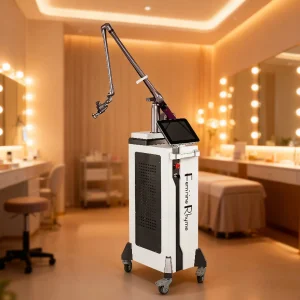
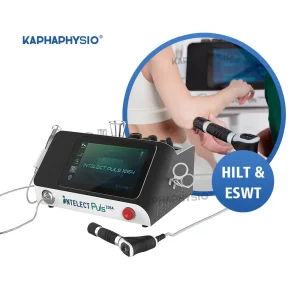
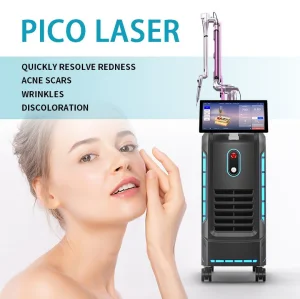
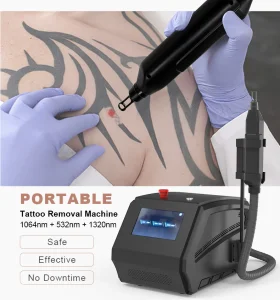
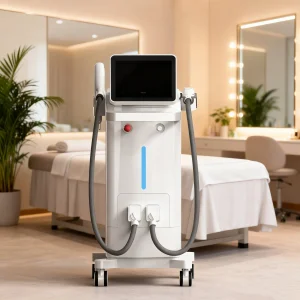
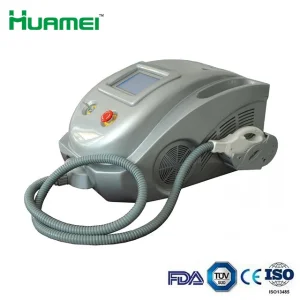
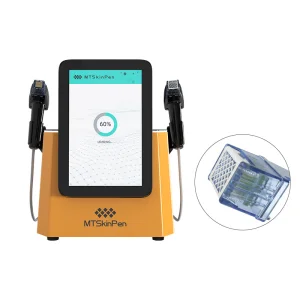
The global aesthetic market is undergoing a seismic shift from "standardized care" to "Personalized Skincare Regimens." Industry data suggests that the personalized beauty market is projected to reach $143.6 billion by 2030. This growth is driven by consumer demand for high-efficacy treatments tailored to individual biological markers, skin types, and environmental exposures.
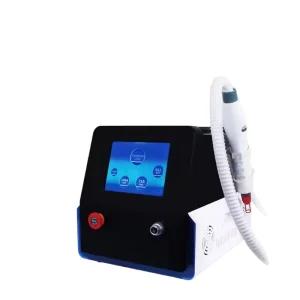
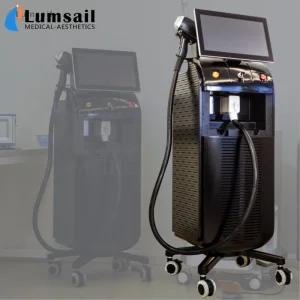
Factories in the medical aesthetic sector are now prioritizing modular hardware that allows dermatologists to switch between wavelengths (1064nm, 532nm, 808nm) for bespoke patient outcomes.
Modern suppliers are integrating AI-based skin analysis tools that interface directly with laser systems to automate the calibration of energy density based on real-time epidermal feedback.
Tier-1 manufacturers are strategically located in innovation hubs like Shenzhen, bridging the gap between high-tech R&D and scalable industrial production for global distribution.
Shenzhen Derma Laser Co., Ltd. is a professional manufacturer specializing in aesthetic laser treatment systems, medical aesthetic equipment, and advanced skin rejuvenation solutions. Established in 2014, the company is headquartered in Shenzhen, China, a globally recognized center for high-tech innovation and medical device manufacturing.
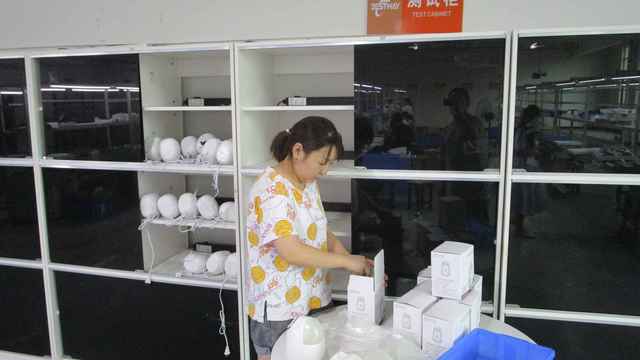
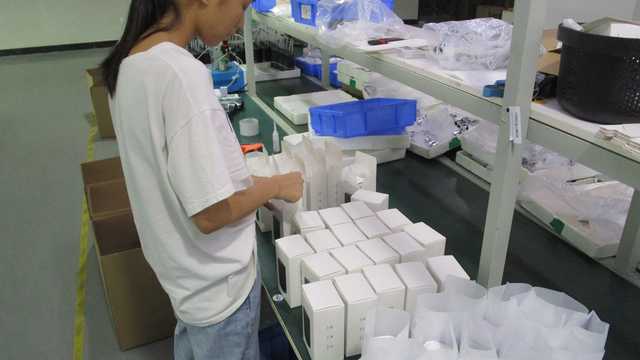
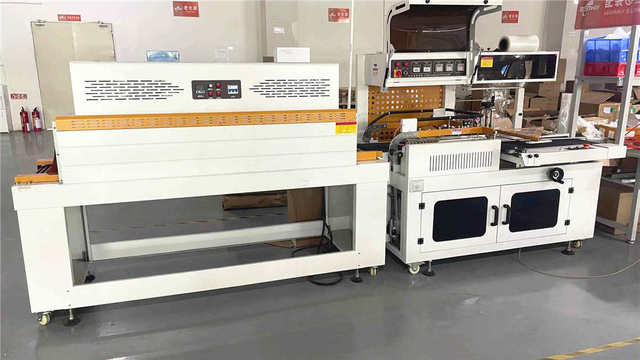
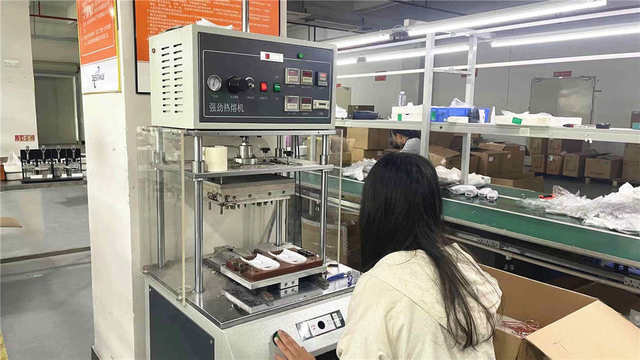
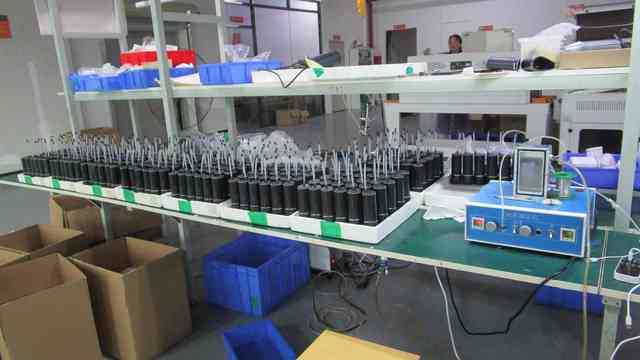
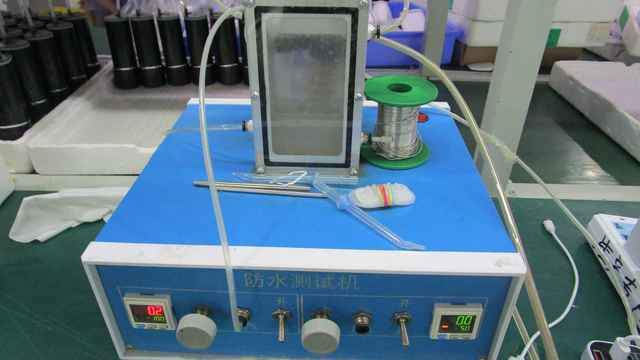
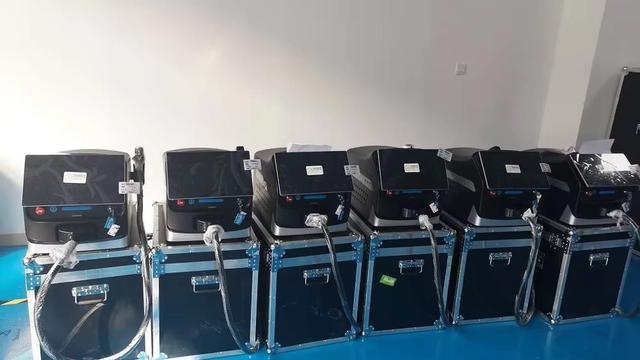
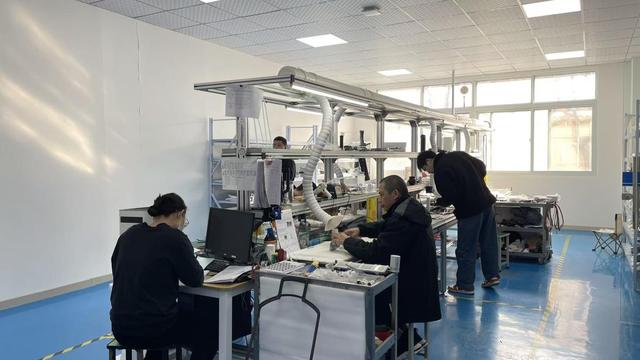
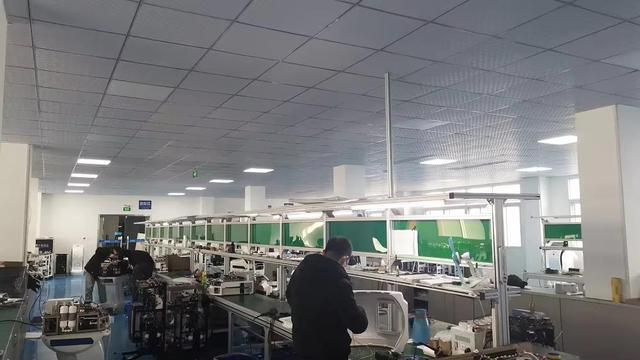
With a production facility covering over 12,000 square meters, Derma Laser is dedicated to the research, development, manufacturing, and supply of aesthetic technology solutions for beauty clinics, dermatology centers, medical spas, and healthcare providers worldwide.
Serving customers across Europe, North America, Asia-Pacific, the Middle East, Latin America, and Africa, Shenzhen Derma Laser Co., Ltd. provides flexible OEM and ODM manufacturing services tailored to diverse market requirements. The company works closely with distributors, clinics, and aesthetic industry partners to deliver customized solutions that meet evolving industry demands.
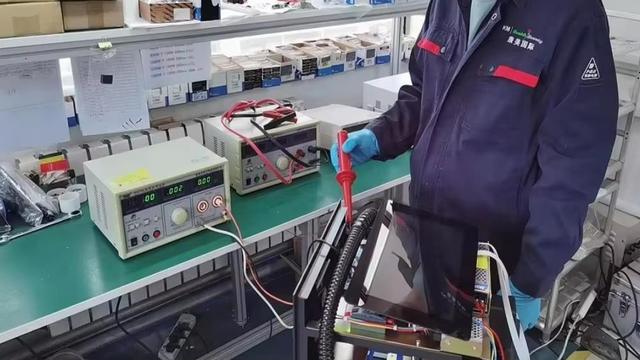
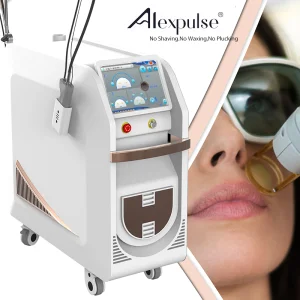
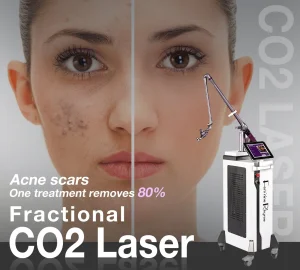
In the Asian market, the demand focuses on pigmentation and whitening, requiring 532nm and 1064nm wavelengths. Conversely, Western markets prioritize hair removal (808nm) and anti-aging (CO2 Fractional). A top-tier factory must provide systems that cater to these regional Fitzpatrick skin type variations.
The next generation of personalized regimens will involve "Smart Devices" that track patient progress via cloud databases. Predictive maintenance and remote calibration will become standard for clinic-grade equipment, ensuring 99.9% uptime for practitioners.
Full-stack solutions now include not just the device, but the clinical training, marketing support, and maintenance software. Modern suppliers are transforming into "Success Partners" for medical spas and dermatology practices.
What defines a high-quality personalized skincare regimen factory?
A leading factory must possess ISO 13485 certification, advanced clean-room assembly lines, and a dedicated R&D department capable of customizing pulse widths, spot sizes, and cooling systems to meet specific clinical needs.
How does AI improve the effectiveness of laser rejuvenation?
AI algorithms analyze skin impedance and melanin concentration in milliseconds, adjusting the laser energy output to maximize therapeutic results while minimizing the risk of post-inflammatory hyperpigmentation (PIH).
Why is OEM/ODM capability essential for global suppliers?
OEM/ODM services allow local brands to integrate regional regulatory requirements and aesthetic preferences into the hardware design, ensuring that the equipment is perfectly aligned with the local market's "User Intent."
What is the role of CO2 lasers in personalized anti-aging?
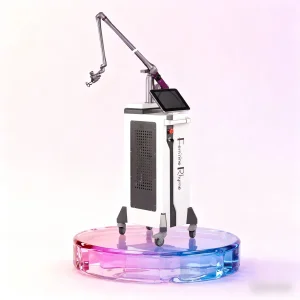
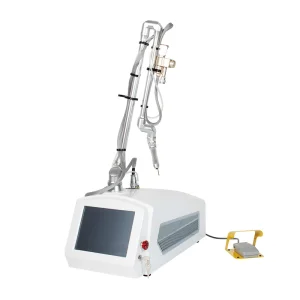
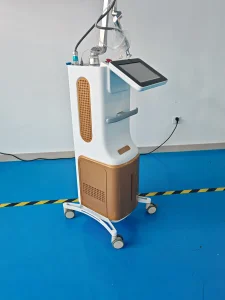
CO2 fractional lasers provide precise ablation of tissue, which can be customized by density and depth to treat anything from fine lines to deep acne scars, making it a cornerstone of bespoke dermatological protocols.
 Derma Laser