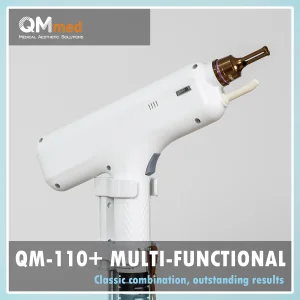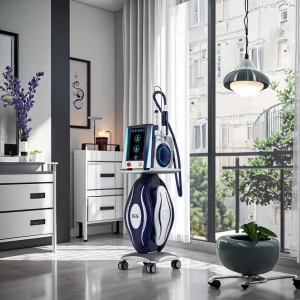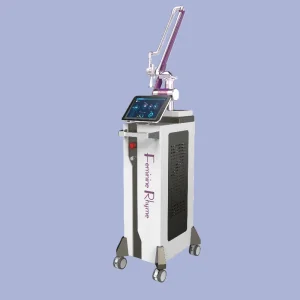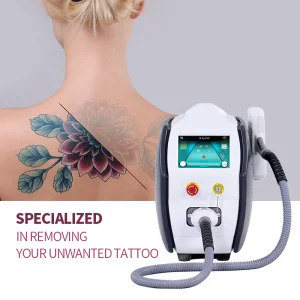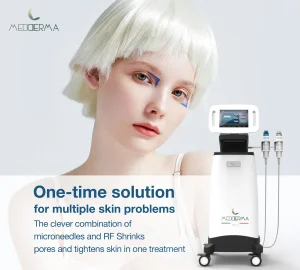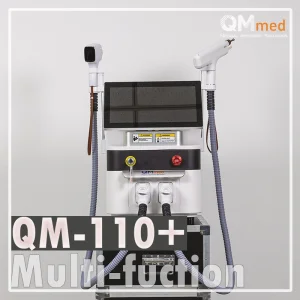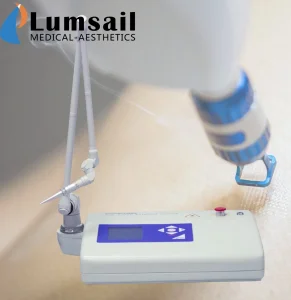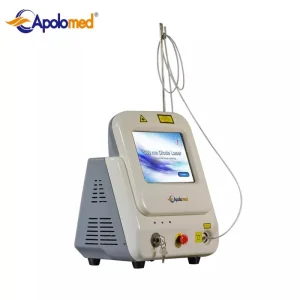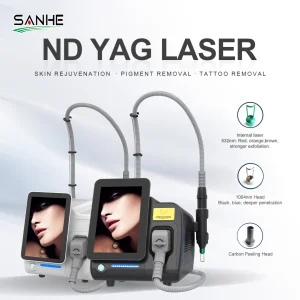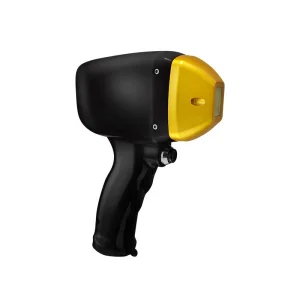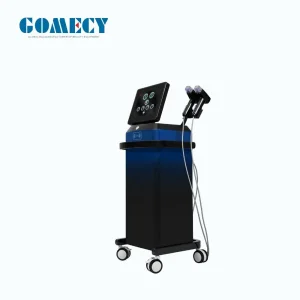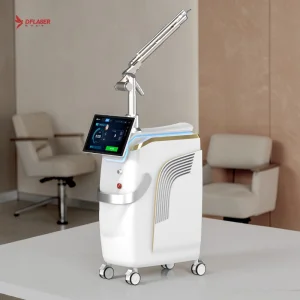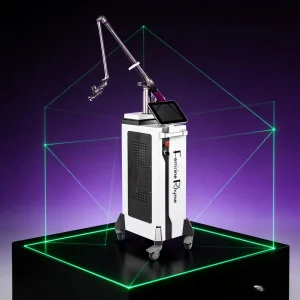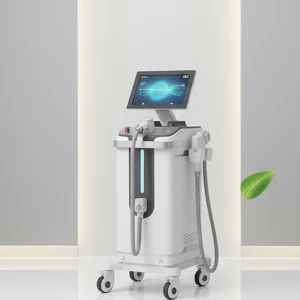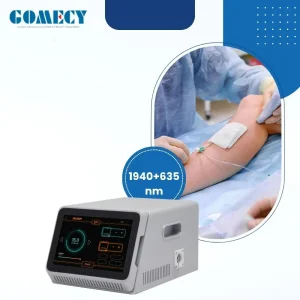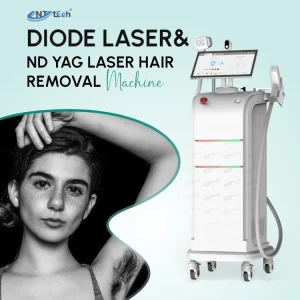
Modern patients no longer search for "lasers"; they search for "non-invasive texture improvement" or "acne scar reduction with zero downtime." This shift in semantic intent has forced suppliers to develop devices that balance aggressive resurfacing with rapid biological healing. The "Top 10" list is no longer about power—it's about the intelligence of the delivery system.
The 2024-2025 market is dominated by "Hybrid" platforms. By combining 1064nm/532nm wavelengths with RF microneedling or fractional CO2, exporters are providing all-in-one solutions that maximize clinic ROI. Multi-modal systems reduce the footprint of equipment while expanding the treatment menu for diverse skin types (Fitzpatrick I-VI).
AI is no longer a buzzword. Advanced systems now include "AI Smart Parameter Detection," which analyzes skin impedance and melanin levels to automatically calibrate energy output, ensuring safety and efficacy without manual guesswork by the operator.
As the "Silicon Valley of Hardware," Shenzhen factories like Shenzhen Derma Laser Co., Ltd. leverage a massive local supply chain of optics, cooling systems, and microchips. This allows for rapid prototyping and the inclusion of high-end components (like German-imported laser bars) at a fraction of the cost of Western competitors.
Top-tier Chinese exporters have transitioned from "low-cost" to "high-compliance." With MDR (Medical Device Regulation) certifications and ISO 13485 standards, these factories meet the stringent safety requirements of the European and North American markets, offering global buyers peace of mind alongside competitive pricing.
SQM Factory Area
Expert Employees
Years Experience
Countries Served
Professional skin resurfacing isn't just about selling a machine; it's about providing a sustainable business model for clinics and medical groups.
Global distributors require localized branding. Top exporters provide full UI/UX customization, chassis design, and software localization to ensure the device fits the local aesthetic and regulatory language requirements.
Information gain in this industry comes from clinical expertise. Leading suppliers offer 24/7 technical support, clinical training videos, and protocol guidelines to ensure that end-users achieve optimal results safely.
With strategic warehousing in the Middle East, Europe, and Asia, exporters ensure that replacement parts and new systems reach their destination in days, not weeks, minimizing downtime for medical practices.
Shenzhen Derma Laser Co., Ltd. is a professional manufacturer specializing in aesthetic laser treatment systems, medical aesthetic equipment, and advanced skin rejuvenation solutions. Established in 2014, the company is headquartered in Shenzhen, China, a globally recognized center for high-tech innovation and medical device manufacturing.
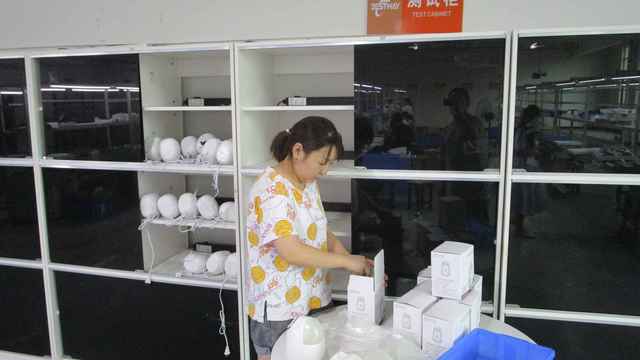
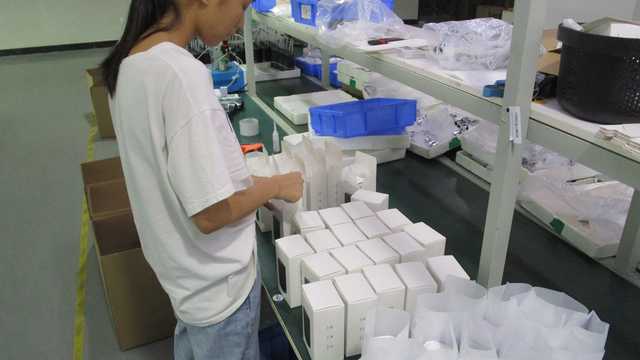
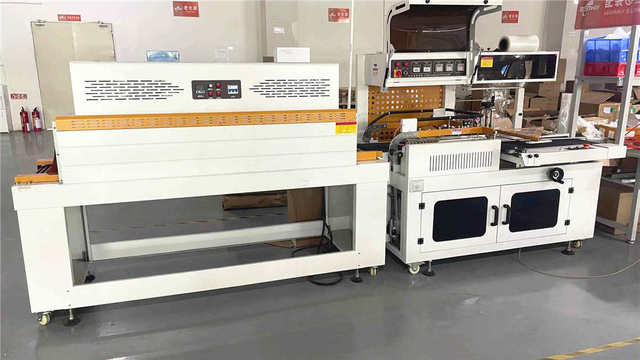
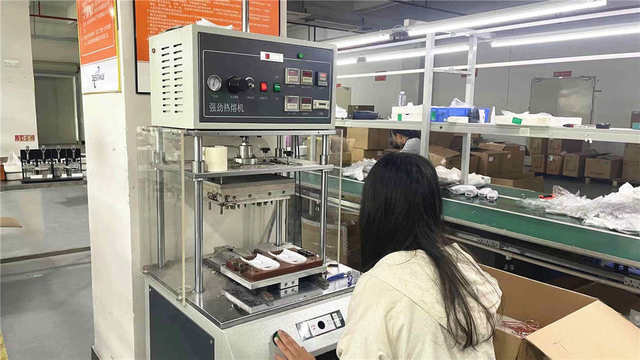
With a production facility covering over 12,000 square meters and a team of more than 250 employees, Derma Laser is dedicated to the research, development, manufacturing, and supply of aesthetic technology solutions for beauty clinics, dermatology centers, medical spas, and healthcare providers worldwide.
The company's product portfolio includes laser hair removal systems, skin rejuvenation platforms, pigmentation treatment equipment, scar reduction systems, skin tightening devices, vascular treatment solutions, and multifunctional aesthetic platforms. By integrating advanced energy-based technologies, intelligent control systems, and user-friendly interfaces, Derma Laser develops solutions designed to support a wide range of non-invasive aesthetic procedures.
Driven by continuous innovation, the company maintains a dedicated R&D team focused on improving treatment performance, operational efficiency, and system reliability. Comprehensive quality management procedures are implemented throughout product design, manufacturing, testing, and final inspection to ensure consistent product quality and long-term performance.
Serving customers across Europe, North America, Asia-Pacific, the Middle East, Latin America, and Africa, Shenzhen Derma Laser Co., Ltd. provides flexible OEM and ODM manufacturing services tailored to diverse market requirements. Through ongoing investment in technology development and manufacturing excellence, the company remains committed to providing innovative medical aesthetic equipment.
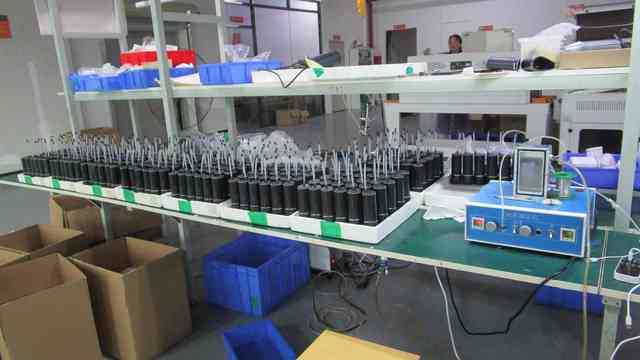
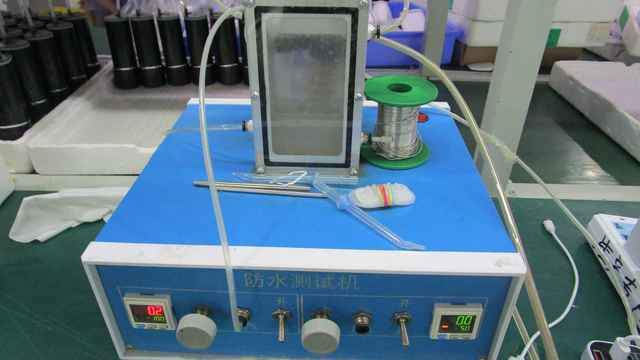
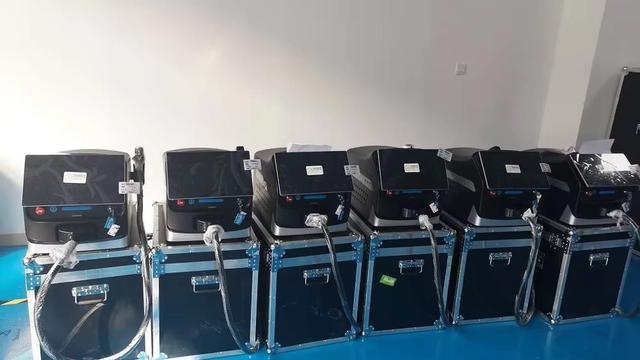
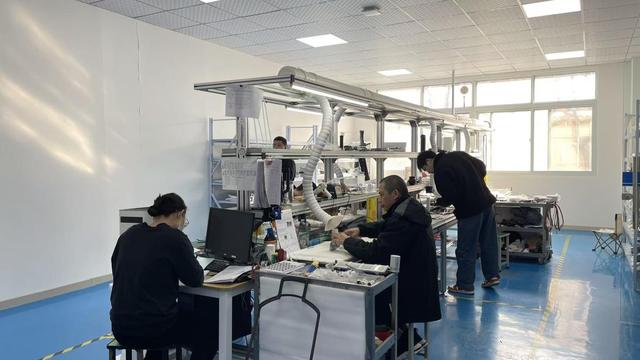
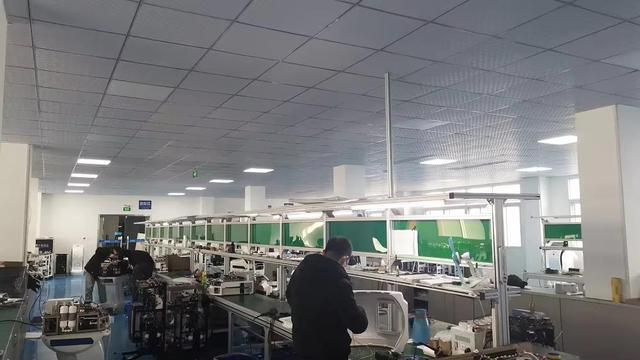
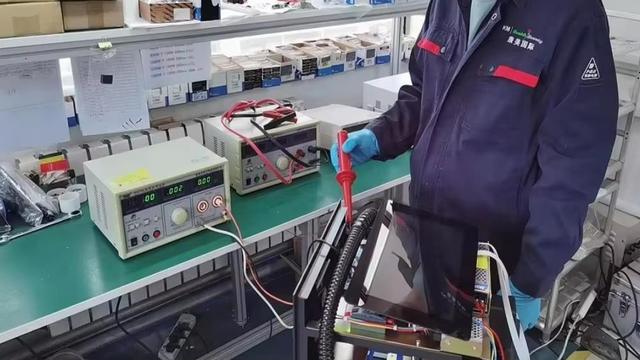
A top-tier choice is defined by the integration of core components (such as US-made coherent lasers or German cooling systems) with advanced AI software, all backed by international certifications like CE/MDR.
Typically, clinics see a return on investment within 6-10 months depending on patient volume. The multi-functional nature of these machines allows for treatments ranging from skin tightening to surgical lesion removal, maximizing the billing potential per patient session.
Every unit undergoes a 72-hour aging test and rigorous 100% inspection before shipping. Additionally, the modular design of our platforms allows for easy maintenance, where specific modules can be swapped without needing to ship the entire machine back.
For darker skin, we recommend our Diode Laser or 1064nm Nd:YAG systems, as they offer deeper penetration with less epidermal melanin absorption, significantly reducing the risk of Post-Inflammatory Hyperpigmentation (PIH).
 Derma Laser