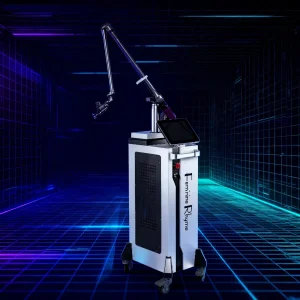
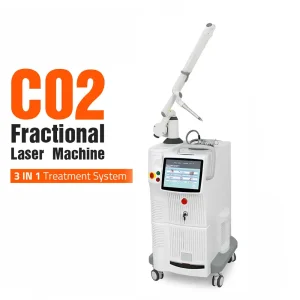
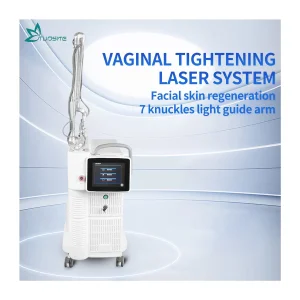
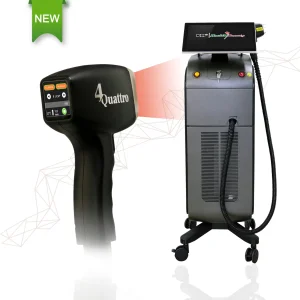
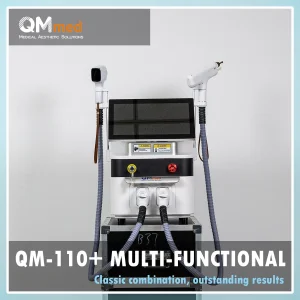
Engineered for precision clinical performance, high energy stability, and ergonomic operational reliability
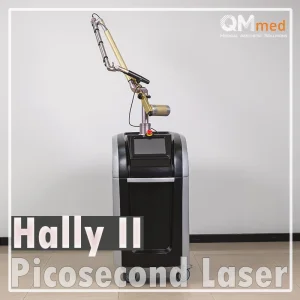
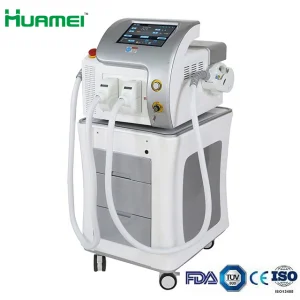
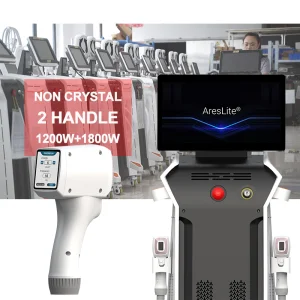
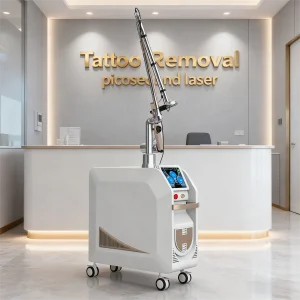
Macroeconomic trends, patient intent evolution, and why Chinese OEM/ODM manufacturing is leading the global medical aesthetics revolution
The global demand for non-invasive medical aesthetic treatments has experienced exponential growth over the past decade, with energy-based devices (EBDs)—specifically Radiofrequency (RF) skin therapy systems—at the forefront of this market transformation. Driven by evolving patient demographics seeking minimal downtime, pain-free protocols, and immediate collagen remodeling, medical spa operators, dermatology clinics, and commercial healthcare groups worldwide are rapidly expanding their energy-device inventories.
According to recent industry intelligence reports, the global skin tightening and contouring device market is projected to expand at a compound annual growth rate (CAGR) exceeding 10.4%, reaching a valuation over USD 3.8 Billion by 2030. Radiofrequency technology commands a dominant share of this market due to its chromophore-independent tissue heating mechanism, which renders it exceptionally safe across all Fitzpatrick skin types (I–VI).
China, particularly the high-tech industrial cluster in Shenzhen, has transitioned from a component supplier to the world's premier innovation hub for medical aesthetic device design and assembly. Key structural advantages driving this leadership position include:
SEO Intent & Market Gain Insight: Procurement buyers searching for "China Best RF Skin Therapy Devices Manufacturers & Supplier" require more than generic marketing slogans. They seek verifiable data on manufacturing standards, technical physics, sub-dermal safety features, ISO/FDA compliance pathways, and total cost of ownership (TCO) efficiency.
Understanding thermal tissue resistance, collagen triple-helix denaturation, and neo-collagenesis pathways
Radiofrequency energy tightening operates on the fundamental principle of Joule Heating (Q = I²Rt). Unlike optical energy devices (such as IPL or lasers) which rely on selective photothermolysis via targeted chromophores (melanin, hemoglobin, or water), RF energy utilizes electrical current to generate thermal kinetic energy through tissue impedance in the dermis and subcutaneous layers.
When the reticular dermis is heated to a controlled therapeutic window of 55°C to 65°C (while keeping the epidermis cooled at 40°C–42°C), hydrogen bonds within the collagen triple-helix structure break down. This causes immediate intermolecular cross-link shortening, resulting in visible, immediate skin contraction and tissue tightening.
Sub-lethal thermal stimulation triggers a targeted inflammatory cascade. Fibroblasts are activated to initiate neo-collagenesis (Type I and Type III collagen formation) and neo-elastogenesis over a 3 to 6-month post-treatment window, restoring dermal density, elasticity, and volumetric support.
Deep-penetrating Monopolar RF modalities delivered at customized pulse durations cause selective thermal distress in subcutaneous adipose tissues. This accelerates natural lipid breakdown (lipolysis) and tightens the fibrous septae network for non-surgical facial and body contouring.
Modern Chinese RF equipment manufacturers produce multiple hardware configurations tailored to specific clinical protocols:
Engineered parameter evaluation for B2B clinical procurement decision-makers
| RF Modality | Operating Frequency | Target Depth | Epidermal Status | Primary Clinical Indications | Downtime Profile |
|---|---|---|---|---|---|
| Monopolar Deep RF | 4.0 MHz – 6.78 MHz | 3.0mm – 4.5mm (SMAS/Adipose) | Fully Protected (Cryo-Cooling) | Volumetric Tightening, Jawline Contouring, Skin Laxity | Zero Downtime |
| Bipolar / Multi-Polar RF | 1.0 MHz – 2.0 MHz | 1.0mm – 2.0mm (Papillary Dermis) | Mild Thermal Warming | Periorbital Lines, Superficial Wrinkles, Neck Maintenance | Zero Downtime |
| Fractional Matrix RF | 2.0 MHz – 5.0 MHz | 1.5mm – 2.5mm (Reticular Dermis) | Micro-Ablative Grid | Texture Resurfacing, Pore Reduction, Superficial Scarring | 1–3 Days Mild Redness |
| Insulated Microneedle RF | 2.0 MHz – 5.0 MHz | 0.5mm – 4.0mm (Adjustable Motorized) | Epidermal Sparing | Deep Acne Scars, Surgical Scars, Striae Distensae | 2–4 Days Subclinical Erythema |
A rigorous framework for medical equipment distributors and chain clinic buyers
Selecting the right OEM/ODM manufacturer in China is a critical strategic decision for global medical device brands and clinical networks. Beyond evaluating initial unit pricing, professional procurement teams must conduct comprehensive audits focused on five fundamental operational pillars:
Human tissue electrical resistance varies significantly across different facial zones and patient hydration levels. Enterprise-grade RF platforms must incorporate sub-millisecond digital impedance sensing that auto-adjusts power output, preventing accidental arc burns while ensuring therapeutic energy delivery.
High-power monopolar systems require integrated Peltier or liquid-nitrogen contact cooling. Top Chinese factories utilize sapphire crystal contact heads monitored by dual optical infrared sensors to keep surface temperatures strictly below 42°C throughout the pulse.
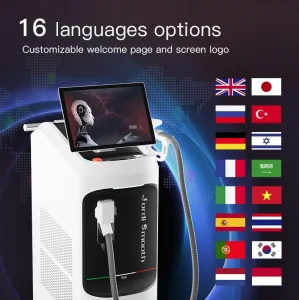
Leading suppliers provide full Android/Linux-based software customization, enabling distributors to offer localized language options, custom user interfaces, preset clinical algorithms, remote firmware updates (OTA), and cloud-connected shot management systems.
Innovating medical aesthetic equipment manufacturing excellence since 2014
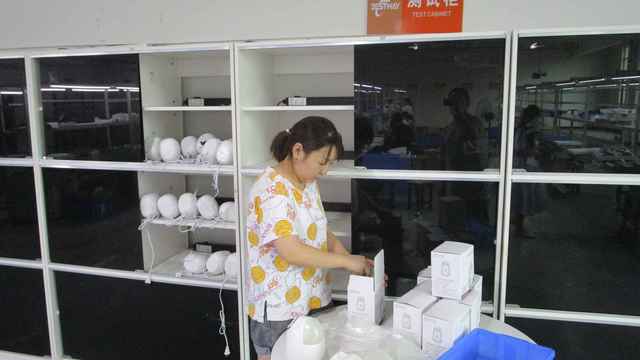
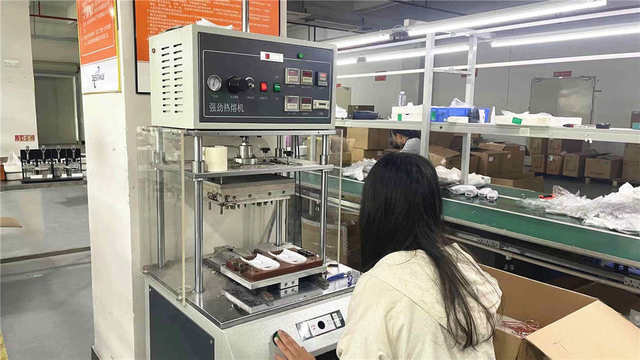
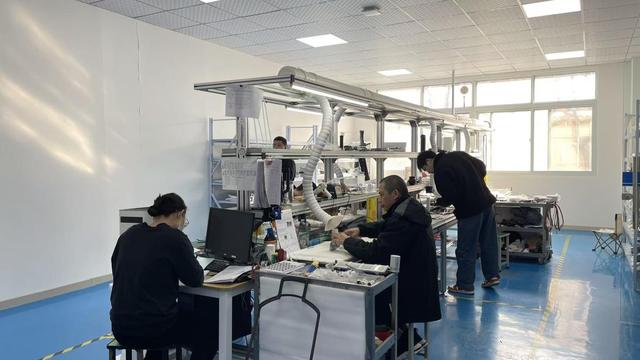
Shenzhen Derma Laser Co., Ltd. is a professional manufacturer specializing in aesthetic laser treatment systems, medical aesthetic equipment, and advanced skin rejuvenation solutions. Established in 2014, the company is headquartered in Shenzhen, China, a globally recognized center for high-tech innovation and medical device manufacturing.
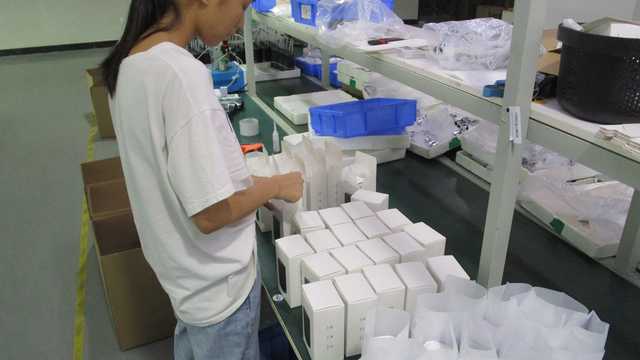
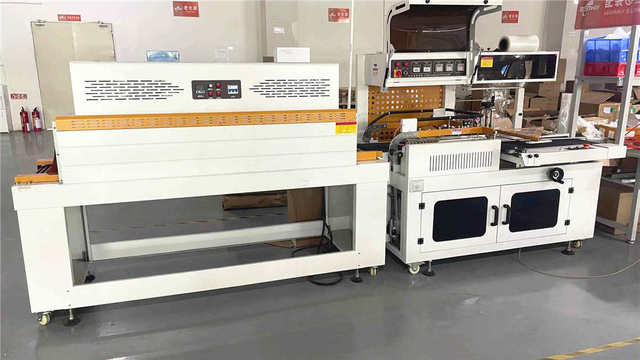
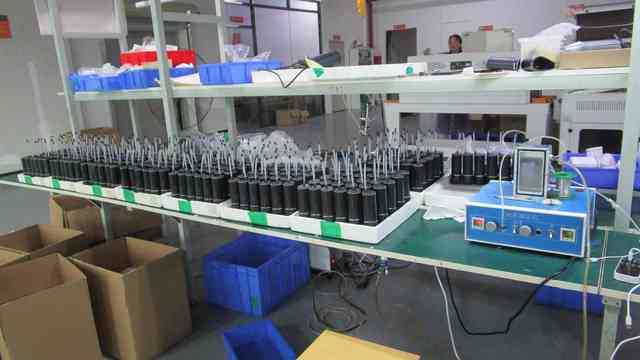
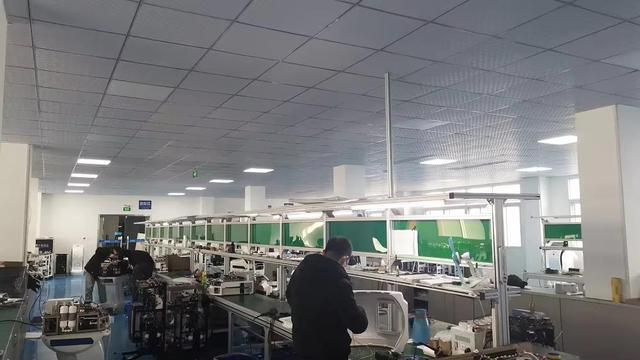
With a production facility covering over 12,000 square meters and a dedicated team of more than 250 skilled employees, Derma Laser is committed to the research, development, manufacturing, and supply of cutting-edge aesthetic technology solutions for beauty clinics, dermatology centers, medical spas, and healthcare providers worldwide.
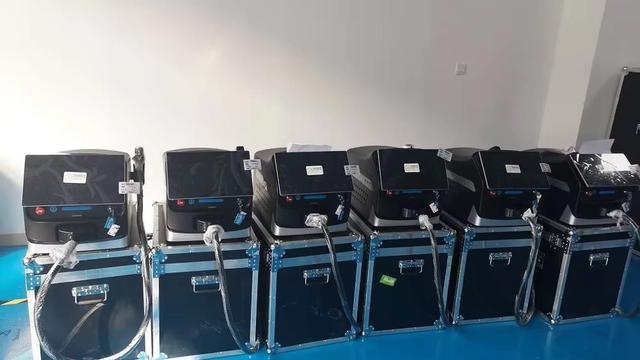
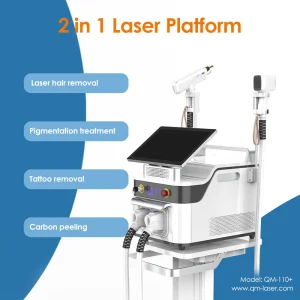
The company's extensive product portfolio includes laser hair removal systems, skin rejuvenation platforms, pigmentation treatment equipment, scar reduction systems, skin tightening devices, vascular treatment solutions, and multifunctional aesthetic platforms. By integrating advanced energy-based technologies, intelligent control systems, and user-friendly interfaces, Derma Laser designs solutions tailored to support a wide range of non-invasive aesthetic procedures.
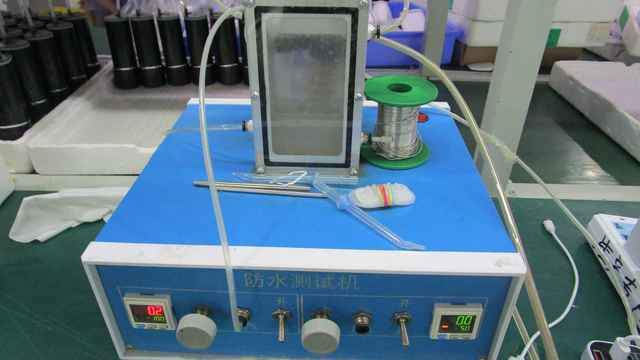
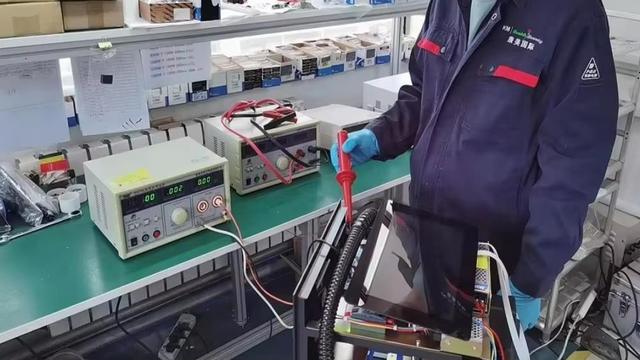
Driven by continuous innovation, the company maintains a dedicated R&D team focused on enhancing treatment performance, operational efficiency, and system reliability. Comprehensive quality management procedures are implemented throughout product design, raw material sourcing, manufacturing, continuous burn-in testing, and final quality inspection to guarantee consistent product performance and long-term durability.
Serving clients across Europe, North America, Asia-Pacific, the Middle East, Latin America, and Africa, Shenzhen Derma Laser Co., Ltd. provides flexible OEM and ODM manufacturing services tailored to diverse regulatory and branding requirements. The company collaborates closely with international distributors, clinic chains, and industry partners to deliver custom-tailored medical equipment solutions.
Through persistent investment in technology innovation and precision manufacturing excellence, Shenzhen Derma Laser Co., Ltd. remains committed to expanding the boundaries of modern aesthetic and dermatology practice worldwide.
Ensuring international safety certifications and strict electrical safety standards
Operating a successful international medical aesthetics brand requires strict adherence to regional medical device regulations. When importing RF and laser systems from China, distributors must ensure manufacturers hold full compliance credentials:
Demonstrates that the factory maintains a comprehensive quality management system specifically for medical device manufacturing, covering traceability, sterile processing, and risk management.
Medical Device Regulation compliance for European distribution, verifying clinical data evaluation, technical documentation, and rigorous post-market surveillance (PMS).
Global electrical safety and electromagnetic compatibility (EMC) standards ensuring zero electromagnetic interference with surrounding hospital equipment and guaranteed patient insulation protection.
AI-driven impedance mapping, multi-wavelength synergy, and targeted subdermal engineering
The aesthetic medical device industry is undergoing a rapid technological convergence. Future Chinese RF therapy devices are evolving beyond basic energy delivery to integrate smart diagnostics and real-time biometric feedback:
Expert guidance on technical specifications, clinical applications, and international procurement
High-performance clinical platforms engineered for global aesthetic practices
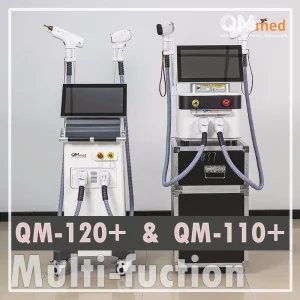
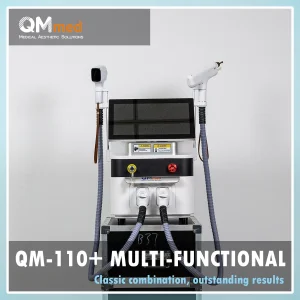
 Derma Laser