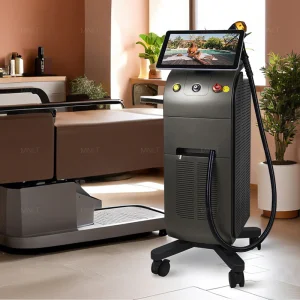
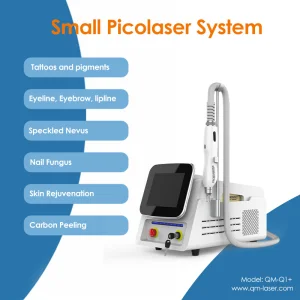
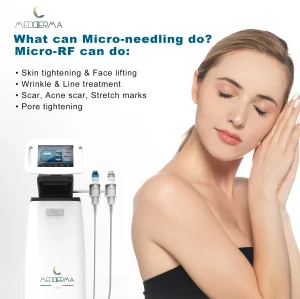
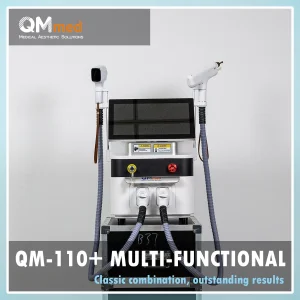
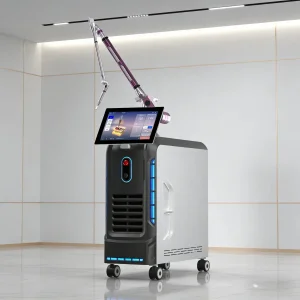
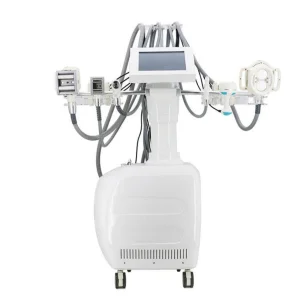
The global aesthetic laser market is experiencing a paradigm shift towards non-invasive multi-platform systems. With a projected CAGR of 12.5% through 2030, the demand for anti-aging lasers is no longer confined to luxury clinics. Urbanization and the "Selfie Culture" have driven massive procurement needs in Tier 1 and Tier 2 cities globally.
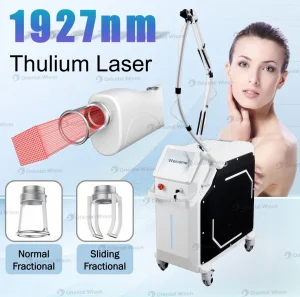
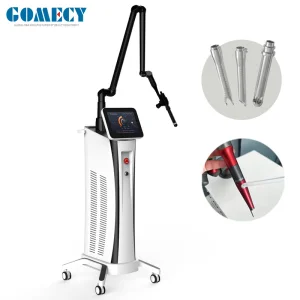
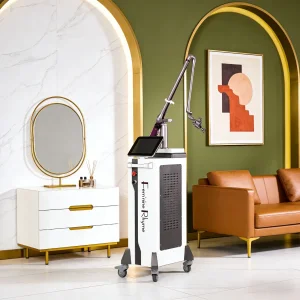
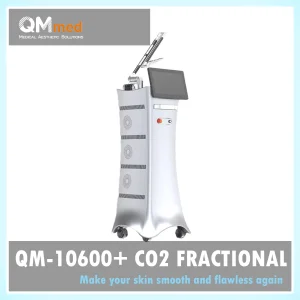
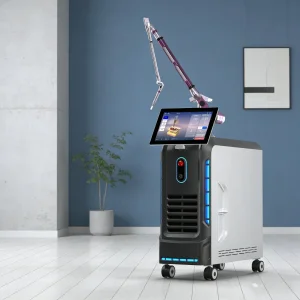
Modern anti-aging technology focuses on dermal remodeling and collagen synthesis. Unlike traditional chemical peels, systems like the 1927nm Thulium laser or Fractional CO2 offer precise thermal control, reducing downtime by up to 60% while maximizing cellular regeneration.
Shenzhen Derma Laser Co., Ltd. is a professional manufacturer specializing in aesthetic laser treatment systems, medical aesthetic equipment, and advanced skin rejuvenation solutions. Established in 2014, the company is headquartered in Shenzhen, China, a globally recognized center for high-tech innovation and medical device manufacturing.
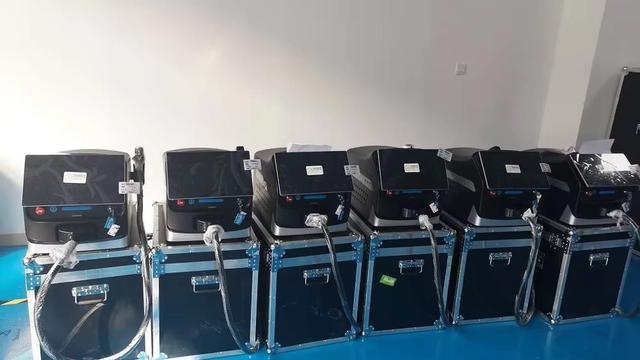
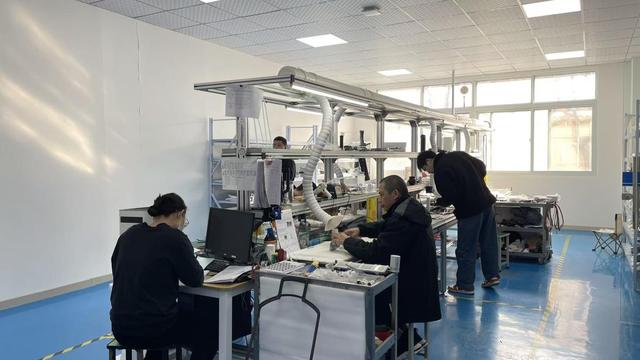
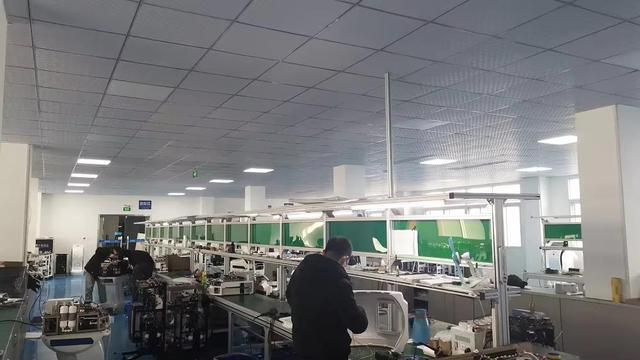
With a production facility covering over 12,000 square meters and a team of more than 250 employees, Derma Laser is dedicated to the research, development, manufacturing, and supply of aesthetic technology solutions for beauty clinics, dermatology centers, medical spas, and healthcare providers worldwide.

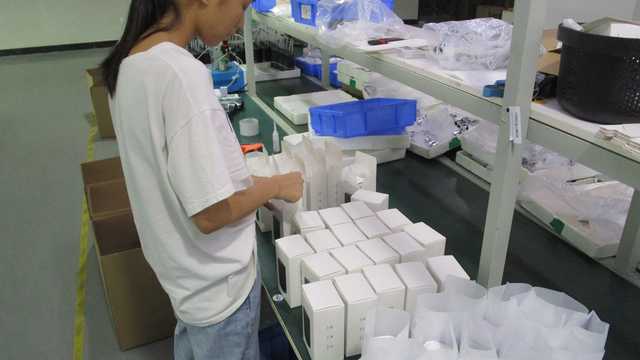
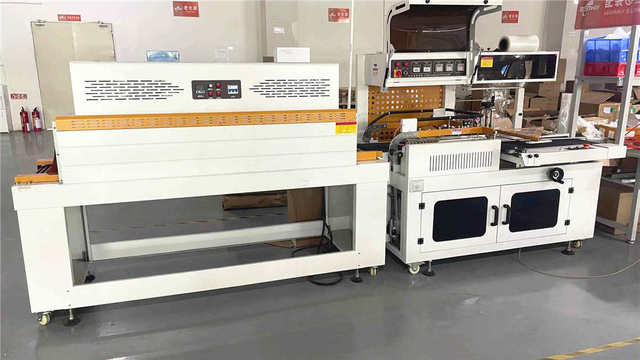
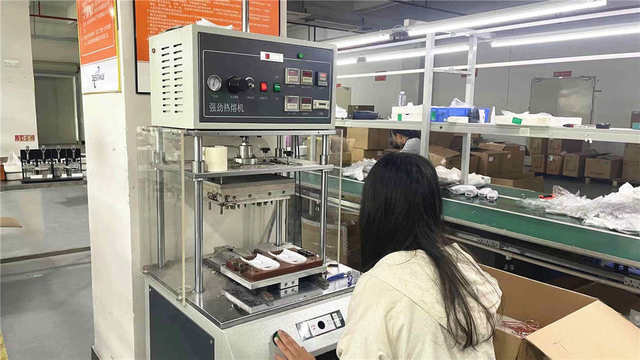
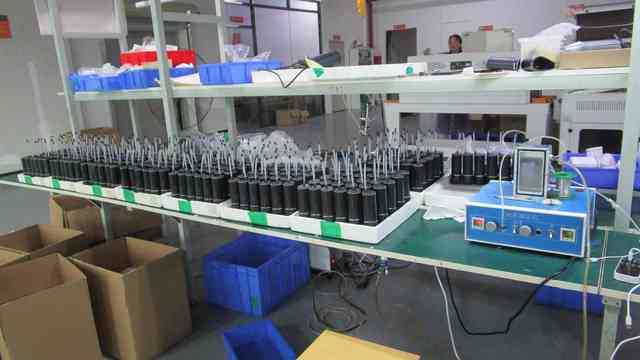
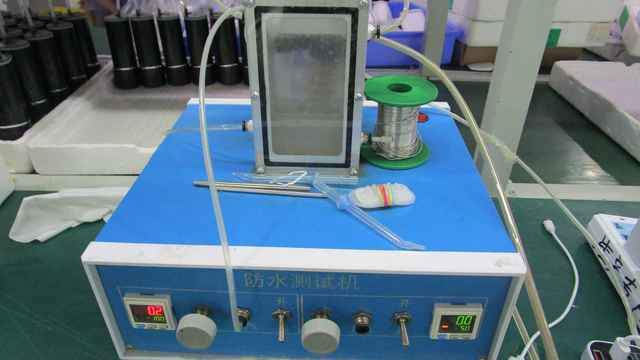
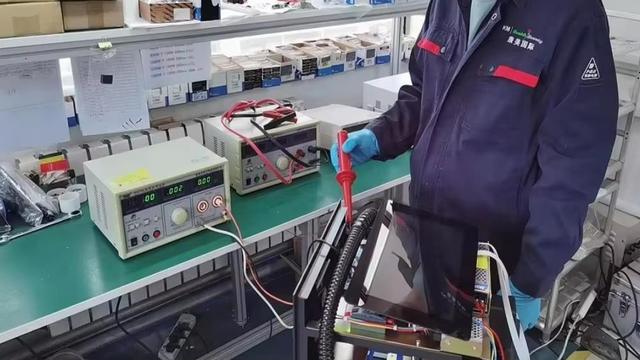
Driven by continuous innovation, the company maintains a dedicated R&D team focused on improving treatment performance, operational efficiency, and system reliability. Comprehensive quality management procedures are implemented throughout product design, manufacturing, testing, and final inspection to ensure consistent product quality and long-term performance.
For B2B buyers—clinics, hospitals, and distributors—selecting an anti-aging laser supplier requires a deep dive into the technical roadmap. Here is the hierarchy of technology currently dominating the market:
Ablative lasers (CO2) remain the gold standard for deep scar removal and severe rhytids. Non-ablative systems (1550nm/1927nm) are preferred for younger demographics seeking "pre-juvenation" with zero social downtime.
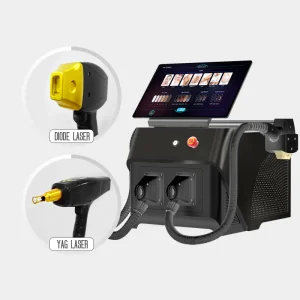
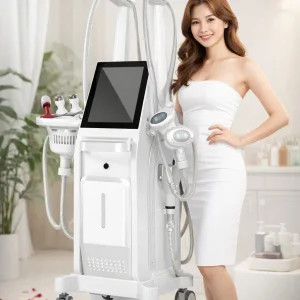
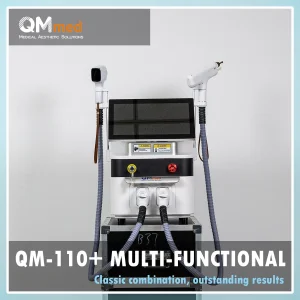
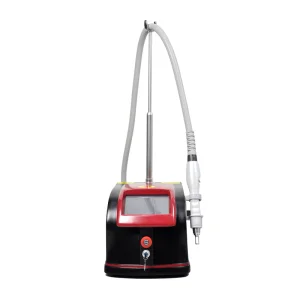
The "2-in-1" or "3-in-1" systems (e.g., Diode + ND:YAG) maximize ROI by allowing practitioners to treat hair removal, vascular lesions, and tattoo removal with a single hardware footprint.
Newest generations include smart skin sensors that automatically adjust fluence based on melanin levels, significantly enhancing safety and E-E-A-T (Expertise, Authoritativeness, and Trustworthiness) for the operator.
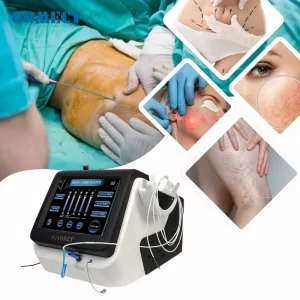
As we look toward 2030, the anti-aging sector is moving toward "Biological Synergism." This involves combining laser energy with topical exosomes or growth factors to accelerate healing. Manufacturers like Shenzhen Derma Laser are already engineering platforms that allow for optimized delivery of these biologics post-laser treatment.
The industrial trend is also shifting toward sustainability and modularity. Future systems will feature modular energy heads, allowing clinics to upgrade to the latest wavelength technology without replacing the entire console base—a win for both environmental sustainability and clinic CAPEX management.
 Derma Laser